Jan.18

Elizabeth Andoh - A Taste of Culture

Newest Posts

Jan.18

Elizabeth Andoh – A Taste of Culture

Jan.18

At New Years’ time, the Japanese decorate their homes with a special display called KAGAMI MOCHI. There are many regional variations on the theme but typically two large rounds of omochirice taffy are stacked with a daidai 橙 (bitter orange) on top. The arrangement is placed on a ritual display stand decorated with leaves and…

Jan.11

Hisashi Ikai – A Craft Practice Rooted in Okinawa’s Nature and Everyday Landscapes

Jan.11

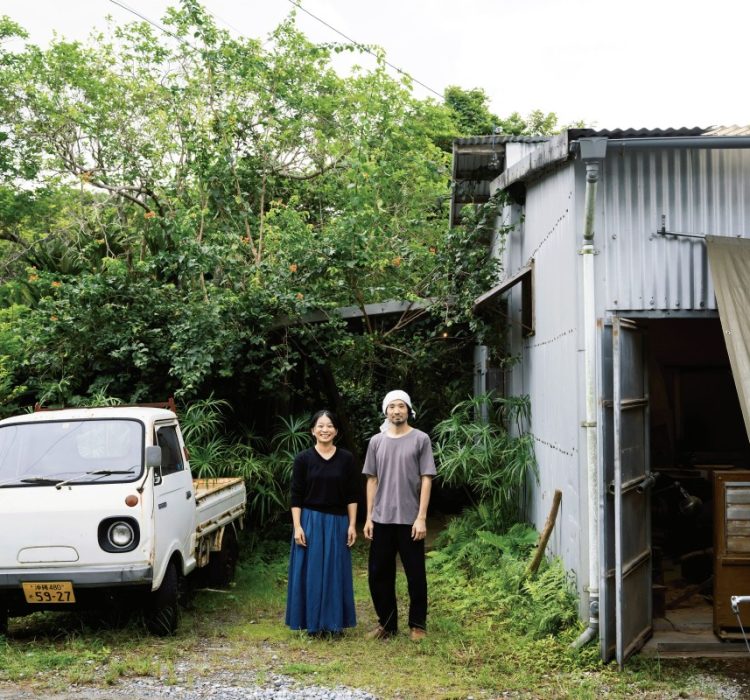
Ai and Hiroyuki Tokeshi work with Okinawan wood, an exacting material, drawing on a local tradition of woodworking and lacquerware. Based in Nago, in the northern part of Okinawa Island, Hiroyuki and Ai Tokeshi run the atelier Mokushikkō Tokeshi. The bowls, utensils and everyday objects shaped by their hands appear imbued with the generous, untamed…

Dec.14

Elizabeth Andoh – A Taste of Culture

Dec.14

Dear friends, colleagues and those who have expressed an interest in the FOOD & CULTURE of Japan: Pine trees are iconic in Japan, with the two most common types being the Japanese black pine kuro matsu 黒松 (Pinus thunbergii), left, and the Japanese red pine aka matsu 赤松 (Pinus densiflora), right. Japanese black pines are…

Nov.19

Mayumi Tachikawa – Japanese Craft as a Way of Life

Nov.19

──Steve Beimel on the Mission to Carry Tradition into the Future Introduction Fifty-four years ago, a young American stepped off a train in northern Japan with little more than a job offer and a sense of curiosity. Japan had not been his intended destination — India or any number of other places could just as…

Nov.16

Elizabeth Andoh – A Taste of Culture

Nov.16

Dear friends, colleagues and those who have expressed an interest in the FOOD & CULTURE of Japan: One of the most basic skills in a Japanese kitchen is the ability to make long, continuous, seemingly impossibly thin peels known as katsura muki. It typically takes months (if not years) of daily practice to master the…

Oct.18

Elizabeth Andoh – A Taste of Culture

Oct.18

Dear friends, colleagues and those who have expressed an interest in the FOOD & CULTURE of Japan: 包む TSUTSUMU… wrapping, enclosing, enveloping In Japan, wrapping is an art, one with many “rules” about how to enclose objects. The degree of formality, the season, and the occasion (whether celebratory or conveying condolences) are some of the parameters…

Oct.01

Gianfranco Chicco – Sketches of Japanese Craftsmanship in London, September 2025

Oct.01

Sketches are my half-baked ideas, projects and notes for articles. I scribble them on napkins, random notebook pages or in my phone’s notes app. Today’s missive is from several activities I took part in during London Design Festival in September 2025. The common denominator was Japanese craftsmanship with practical lessons about choosing place over prestige,…

Sept.17

Elizabeth Andoh – A Taste of Culture

Sept.17

残暑 ZANSHO Lingering Heat On the ancient, lunar-based koyomi almanac, risshū 立秋 marks the start of autumn. This year (2025) on the Gregorian calendar, risshū arrived on August 7. When hot weather continues beyond risshū the phenomenon is referred to as zansho 残暑, literally “lingering heat.” No doubt about it, brutal heat has lingered well…

Sept.05

Mayumi Tachikawa – Interview #1 When Thought Takes Shape:

Sept.05

Designer David Tonge on the Essence of Japanese Craft Introduction — Craft as a Form of Thought Craft is not merely about making things. So says David Tonge, a London-based designer who has worked with Japanese companies and craftspeople for over two decades. What captivates Tonge is not simply the finished object, but the thinking…

Sept.02

毎朝の真剣勝負!20分ほぞ掘りチャレンジ

Sept.02

心町家塾の朝は、すでに活気に満ちています。実技開始時に行われるのは、「20分でほぞを掘る」という集中練習。105mm角の節あり檜材に、サイズ75mm×30mmのほぞ穴を掘り進めて貫通させます。つまり、深さ10.5cmを掘り進めるのです。この短い時間でどこまで掘れるか、受講生はそれぞれに集中し一心不乱にのみをふるいます。 見ていると面白いのが、受講生それぞれの姿勢や座る高さが違うこと。どうやら、みなさん自分にとって一番効率よく、そして力を入れやすい「型」を見つけながら(試行錯誤しながら)挑戦しているのでしょう。毎回同じ作業を繰り返すことで、効率的な体の使い方や道具の扱い方など、多くの学びがあるようです。 20分の練習が終わると、お互いのほぞ穴を確認し合い、「思ったように掘れなかった」「どうやったらそんなにきれいにできるんですか?」などと、活発な意見交換が行われます。特にきれいに掘れている受講生には、「最後はどうやって仕上げているのか」といった具体的な質問が飛び交い、技術を磨きあげようとみんな真剣です。 このほぞ掘りチャレンジで集中力を高めた後は、いよいよ「人見胴付(ひとみどうつき)」の墨付けへと移っていきました。 今回は、受講生のみなさんに、これまで受講してみての感想を聞いてみました。 Aくん:授業で毎回、最初に20分でほぞを掘るということをしています。これが毎回の自分の体調によって、結果が違ってくると感じています。思うように動けていないというか。やることが同じだからこそ、その自分の体調の違いがわかります。万全でないと結果が出せないのはまだまだかと思います。今後、経験を積み重ねていくと万全ではなくてもよい結果が出せるようになるのかなと思っています。 Uくん:刻みはとても難しいのですが、とても楽しいです。仕事では普段、あまり刻みをすることがないのですが、たまに頼まれてすることがあるので、そこに活かせていると思います。でも、同じ部材であっても職場とここでは呼称も違ったりするので、そこも難しさを感じるところです。まだまだ思い通りにできないし、本当に難しいし、めちゃくちゃ疲れるんですが、それでも楽しいです(笑顔)。 Sくん:最初のほぞを20分で掘る作業が、僕の場合はまだまだ思うようにまっすぐに掘れないので、そこが課題だと思っています。「一方差し」についても、ここで初めて学んだので、こうして知識が増えていくのがうれしいです。仕事でやっている社寺建築との違いもいろいろとあって、町家にはなかなか触れる機会がないので、それも経験と知識が増えることがうれしいです。 Kくん(外国籍):いい感じです。やっぱり、ここでやったことが仕事にもつながっていくので、それが嬉しいです。仕事では(斉藤さんも)厳しいし急がないといけないし、仕事とはまた別で、ここで練習できて、それが経験として仕事に活かせるからうれしいです。言葉はまだまだわかならくて難しいです。特に、漢字はまだ仕事で使う言葉だけでも覚えようと思っています。「尺入」という漢字は、RTというイメージで覚えてます(笑)。 Hさん(外国籍):すごい楽しい! やっぱり言葉が難しい。みんなが提出しているレポートも持って帰って、読み直したり、わからない言葉を家でポルトガル語に翻訳して復習しています。ここでの作業はスピードがすごく速いです。僕は、サーフボードを作っていますが、ずっとのんびり自分のペースでやってきた。でも、使っている材木の種類も違うから、家で建築に使う材木を使って練習しています。みんなの雰囲気がすごくいいと思います。