
Dear friends, colleagues and those who have expressed an interest in the FOOD & CULTURE of Japan:
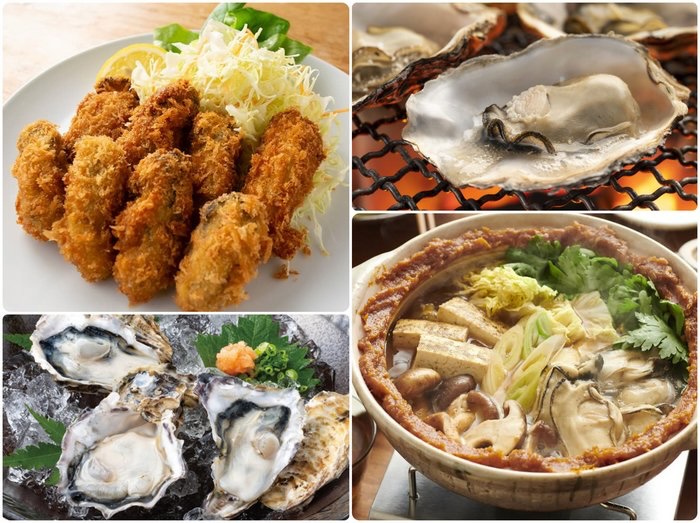
Throughout the world, oysters have been a popular food source since ancient times. Archeologists have found scorch marks on archaic oyster shells suggesting that oysters had been placed over fire or heated stones and cooked until they opened. In Japan, archaeologic evidence of oyster consumption in the form of kaizuka (shell mounds) dates to the Jōmon period (14,000-300 BCE).
In the western world during the time of the Greek (13th-9th BCE) and Roman Empires (8th BCE-5th AD) oysters were enjoyed by the wealthy as a delicacy. Over the ensuing centuries, methods of cultivating oysters were developed to meet increased demand. By the middle of the 18th century a surge in oyster production made the mollusks affordable for the working classes, too.
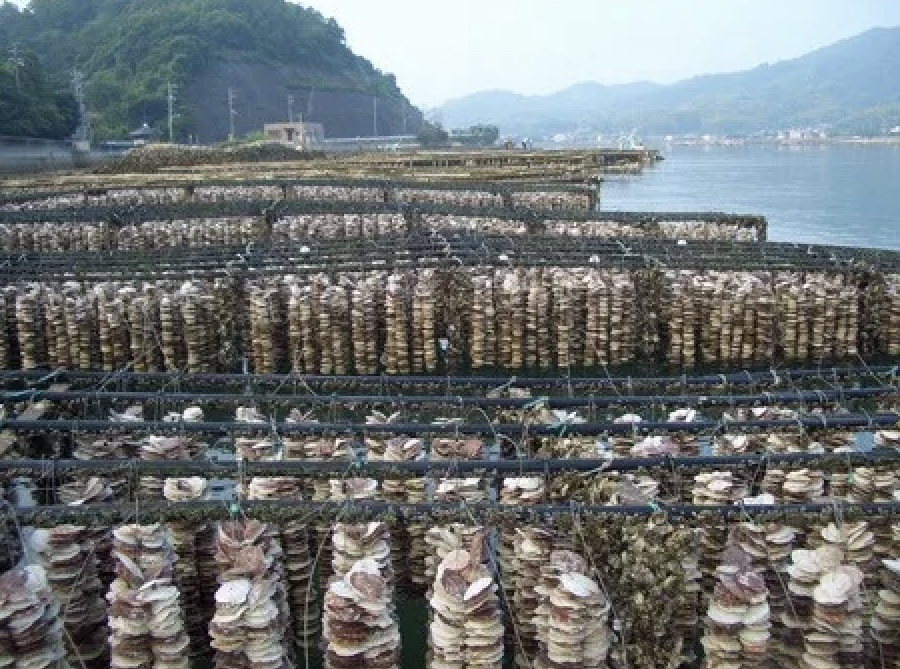
In Japan, oyster farming began in and around Hiroshima in the 16th century. Today, there are oyster farms scattered around the Japanese archipelago, some using a suspension method from floating rafts, others employing baskets submerged in tidal beds.
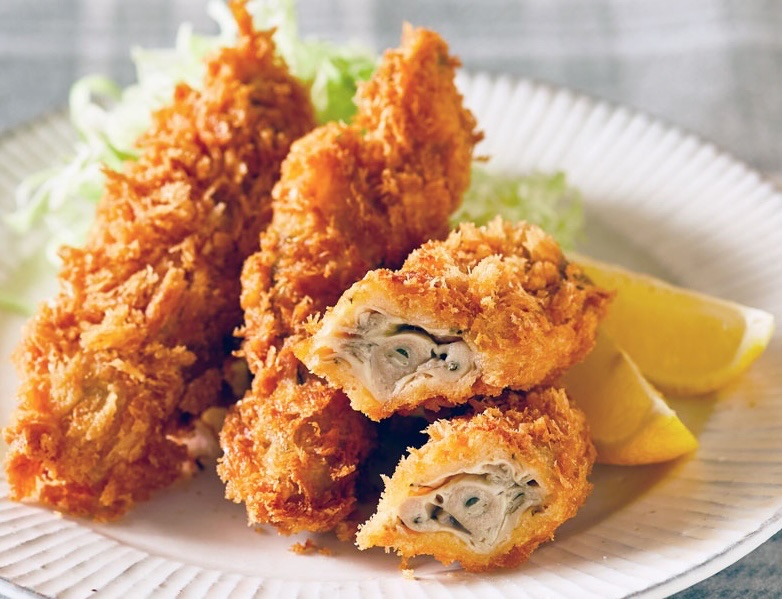
Interested in preparing oyster dishes for yourself? Visit PROJECT Oysters for recipes.
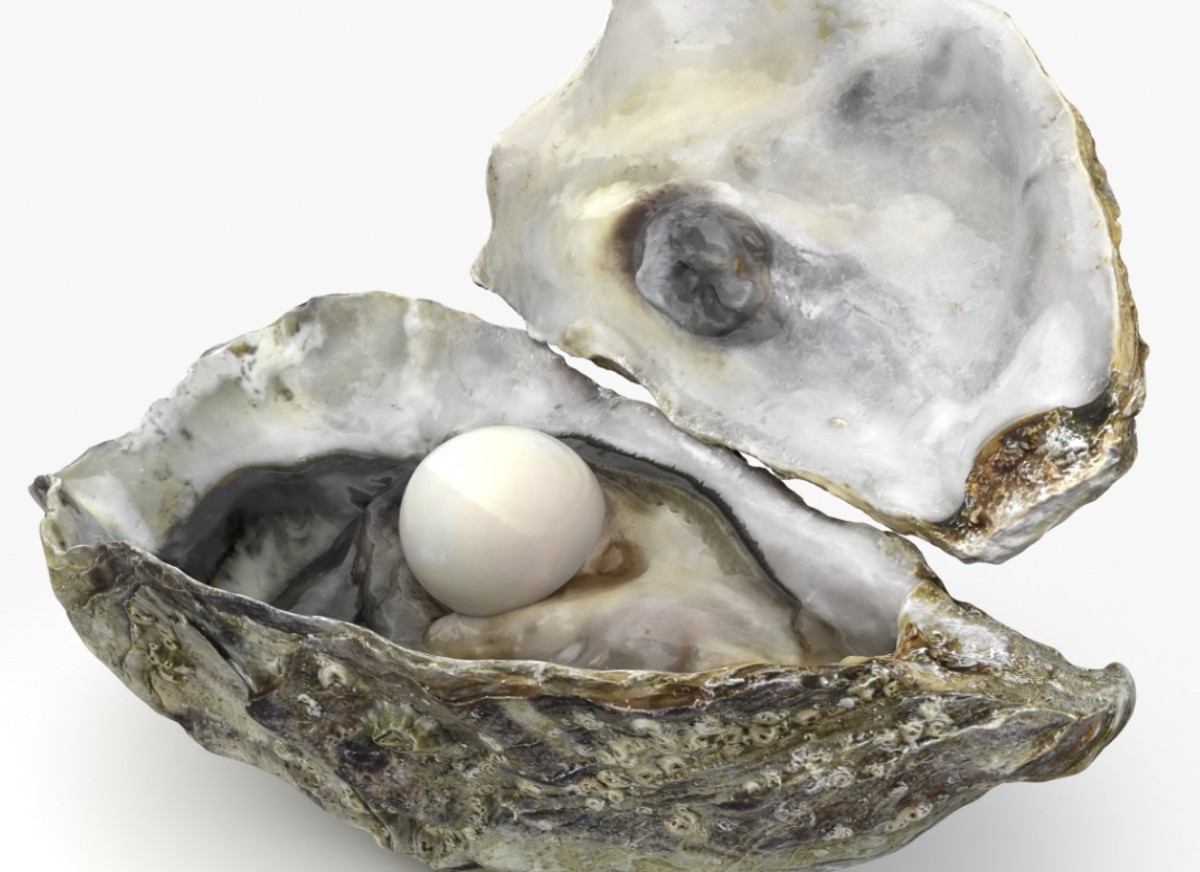
Pearls
Oysters are not just a nutritious food source but also produce non-edible treasures: pearls.
A Taste of Culture
A Taste of Culture offers custom workshops for visitors and residents who wish to learn about Japanese home-style cooking and prepare it for themselves. Requests for programs from APRIL 2026 onward are being accepted. DETAILS here.
Regardless of where you reside, I hope you remain interested in Japan and its food culture.
For inspiration and instruction in preparing Japanese food for yourself and others, visit KITCHEN CULTURE. To explore and practice Japan’s washoku wisdom in your own kitchen, visit Kitchen PROJECTS.
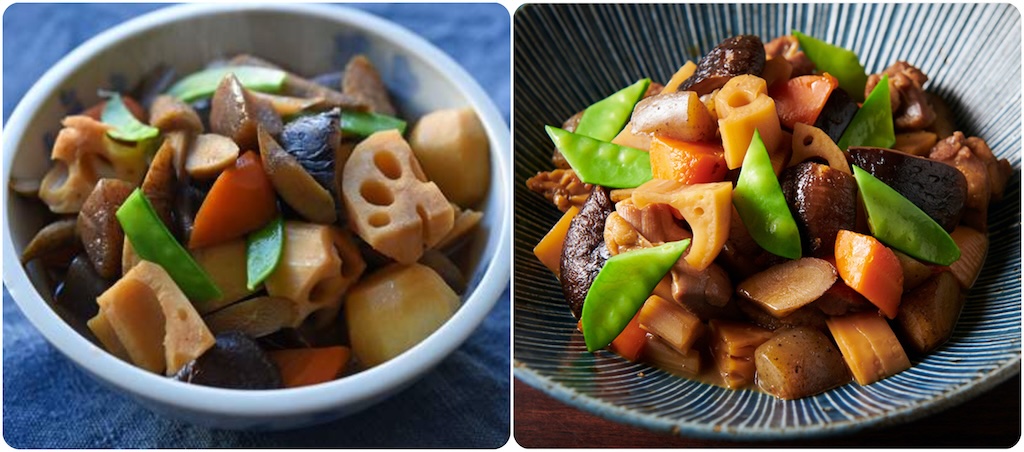
Chikuzen Ni / 筑前煮
Chikuzen is the former name of a province, the area that is today part of Fukuoka Prefecture in Kyūshū. The word “ni” in the title of this dish refers to braising or stewing. Although the classic version of this dish is most often made with chicken, a vegan version with thick fried tōfu is also very popular.
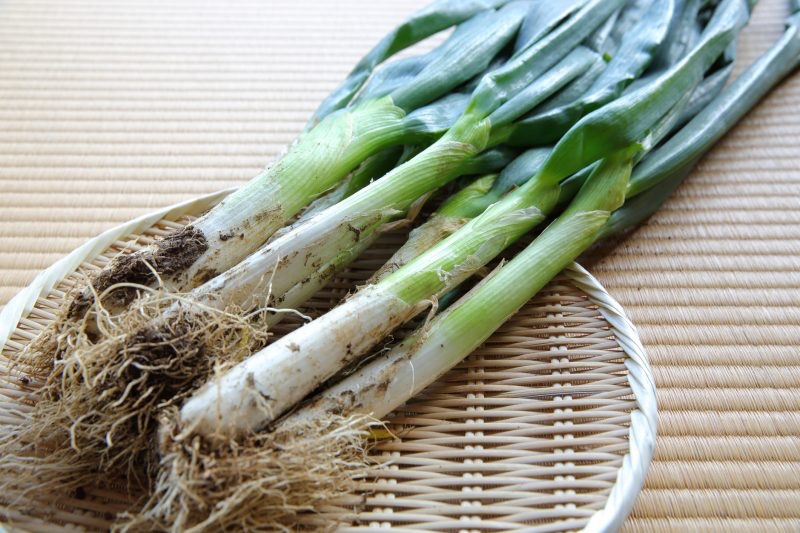
Naganegi 長ネギ
Indispensable in nabé (hot pot) cookery, as a condiment and in soups all parts of naga negi (Allium fistulosum) are edible. Plan from the start to use the plant fully, especially the higé (“whiskers”), to dry. Dusted in cornstarch and deep fried they become a savory, crunchy nibble or garnish for salads and soups (also nice added to grilled cheese sandwiches).
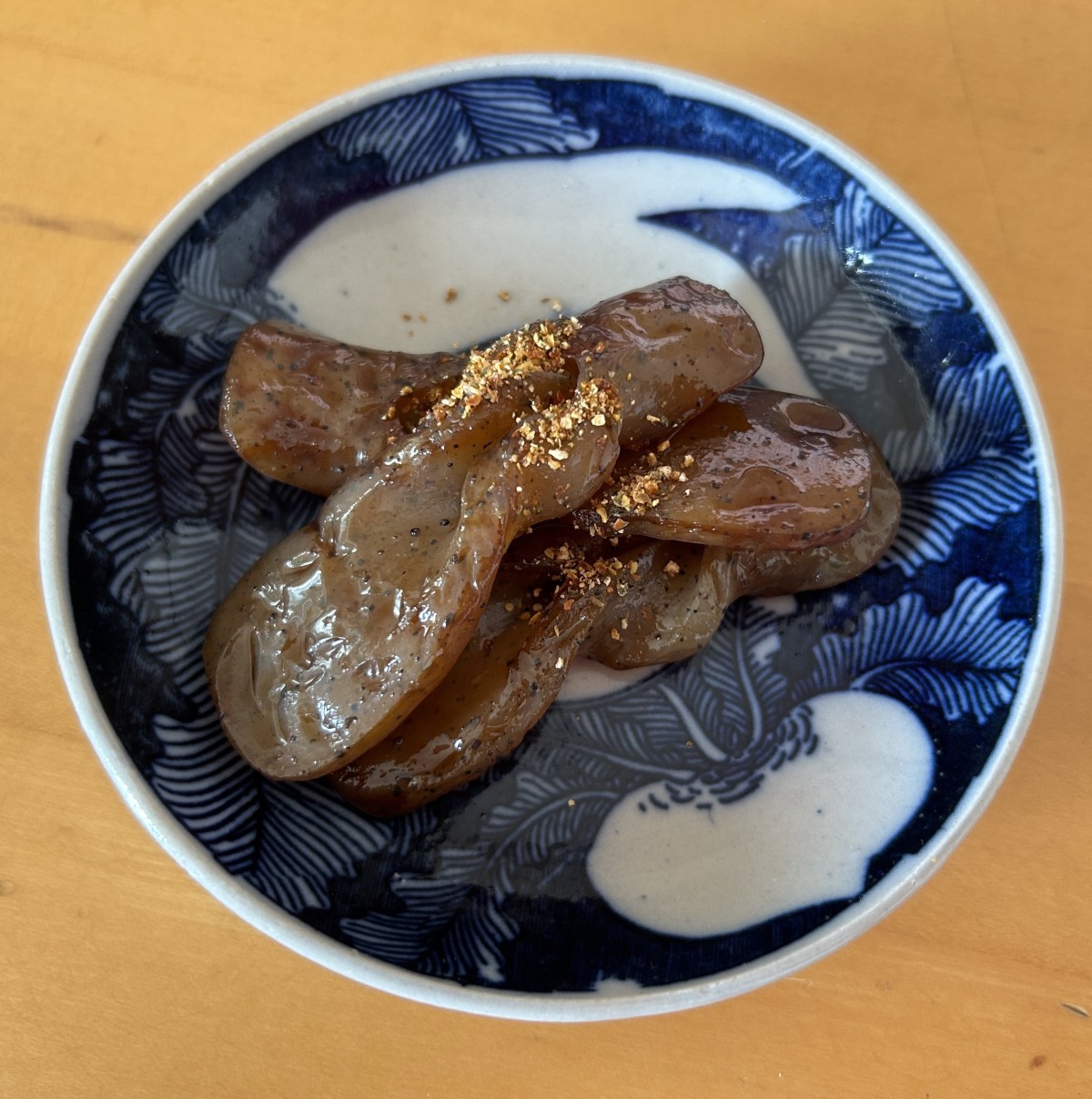
WASHOKU ESSENTIALS is a bi-monthly column in the Japan Times.
Most recently about konnyaku.
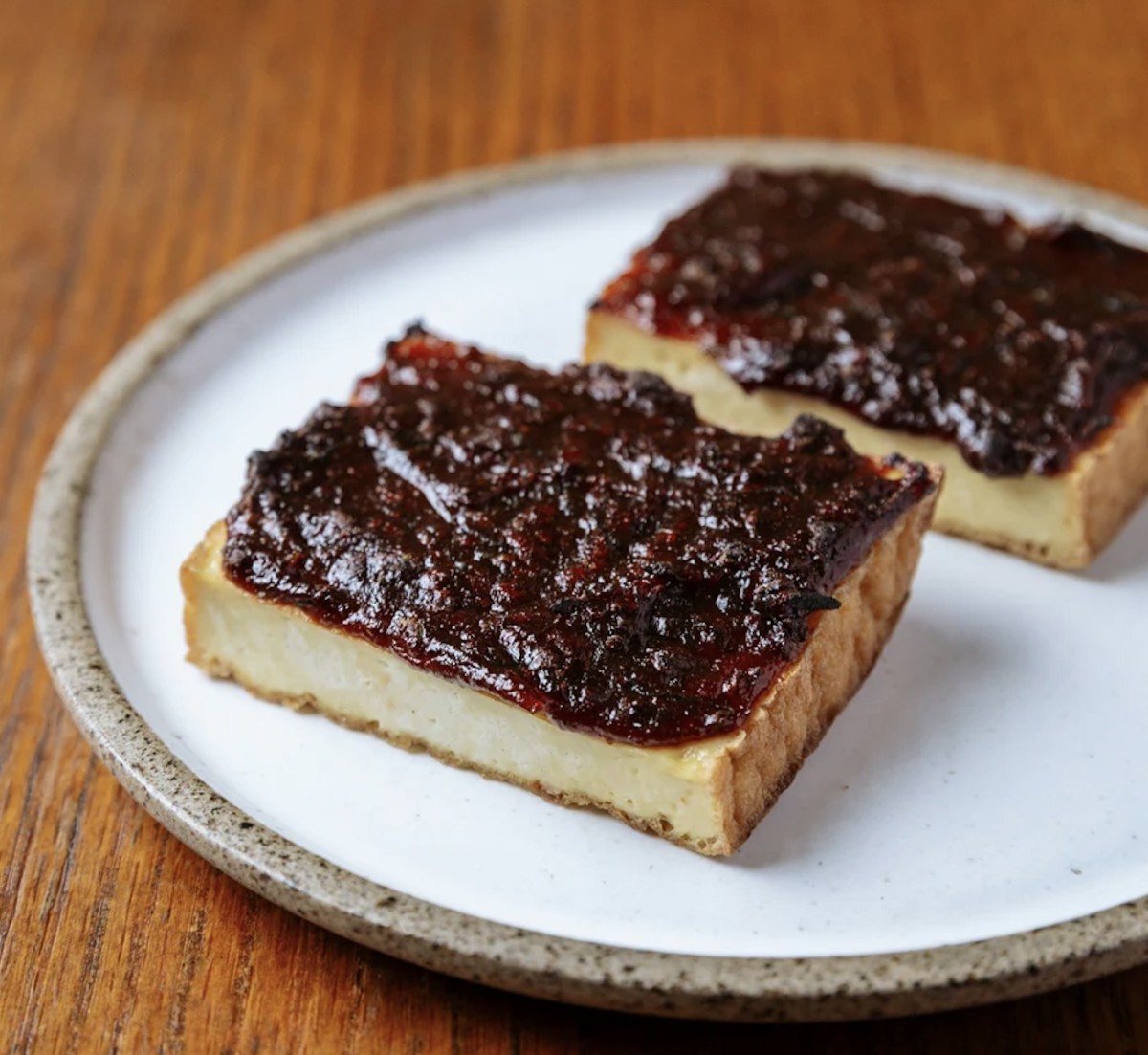
essays & recipes are posted to The Japanese Pantry, an online store dedicated to making quality artisanal Japanese ingredients available to cooks in the United States. My latest contribution, Part Three, is Miso-Slathered Broiled Tofu Enjoy!
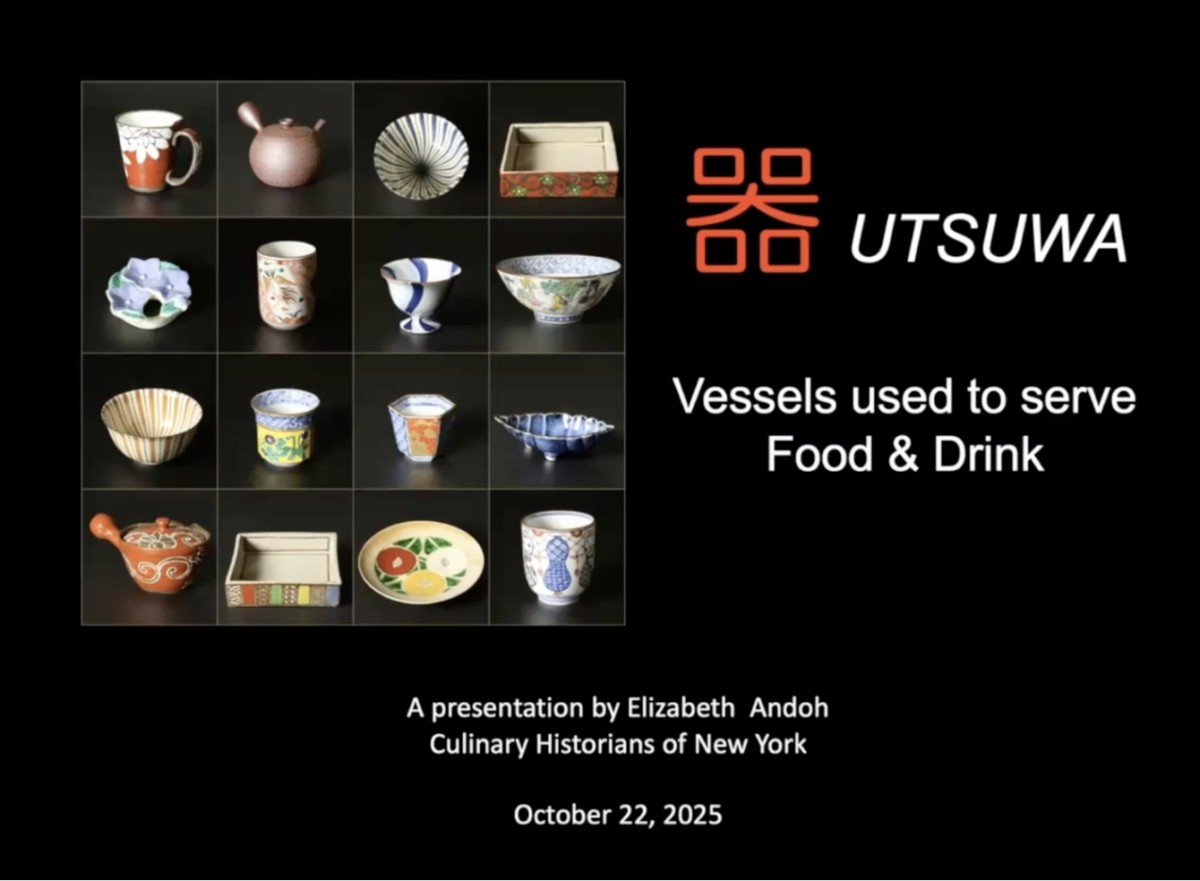
器 UTSUWA:
Vessels used to serve Food & Drink
Culinary Historians of New York hosted an online webinar with Elizabeth Andoh on October 22, 2025. To listen, and download printed materials related to the presentation, click on the image here

Episode 341 (Sept 10, 2024) is about the language used to describe food textures … mouthfeel is often the most challenging element when trying new foods.
Comments