
Dear friends, colleagues and those who have expressed an interest in the FOOD & CULTURE of Japan:

Foodhalls located in the basement level of Japan’s leading department stores carry an incredible array of fresh foods, packaged grocery items, and prepared take-out items. Collectively known as depachika (literally “department underground”), these stores are justly famous for their extensive, high-end comestibles. Although the “sweets” section offering Western-style baked goods and Japanese-style wagashi consistently produces the greatest profits — confectionery is a popular gift item and an affordable self-indulgence — it is the savory items sold at the osōzai (side dishes) counter that does the highest volume of sales.
Across the board in every store at every location, one of the most popular osōzai items is what the Japanese call korokké , crispy-on-the-outside, creamy-on-the-inside croquettes. The Japanese will eat these, and other fried foods, at room temperature—they are a favorite item in obentō lunchboxes. The shard-like slivers of breadcrumbs known as panko keep the exterior crunchy and crisp long after the fried food has cooled down. In my cookbook KANSHA (pg 118) you’ll find full instructions for making kabocha (pumpkin) and adzuki (red kidney beans) croquettes. And this month’s post to Kitchen Projects includes a recipe for making édamamé (fresh green soybean) korokké .
Enjoy!

In addition to korokké, o ther best-selling osōzai items include (clockwise from upper left): Kimpira , spicy stir-fry of carrots and gobō; hijiki sea vegetable; ohitashi spinach; tamago yaki rolled omelet; tsukune gingery ground chicken sliders glazed in a sweet soy sauce.
Recipes to download from PROJECT Osozai.
A Taste of Culture
A Taste of Culture offers custom workshops for visitors and residents who wish to learn about Japanese home-style cooking and prepare it for themselves. DETAILS here.
Regardless of where you reside, I hope you remain interested in Japan and its food culture.
For inspiration and instruction in preparing Japanese food for yourself and others, visit KITCHEN CULTURE. To explore and practice Japan’s washoku wisdom in your own kitchen, visit Kitchen PROJECTS.

初鰹
Hatsu-gatsuo
In Japan the transition from spring into early summer is celebrated at table with hatsu-gatsuo ( skipjack tuna ( Katsuwonus pelamis ). My favorite is tataki -style where a whole loin of katsuo is seared, plunged into ice water, patted dry and pressed with cracked pepper and roasted garlic. The dish is accompanied with a dip of citrusy ponzu sauce.

Seasonal Produce
The Japanese delight in cooking with seasonal produce and in the early summer that means making delicious dishes with new peas and beans.

Note: registration will be closing on May 21.
Menu planning is a way of thinking about food that goes beyond individual recipes. It helps you organize food choices that will optimize whatever time and effort you can put to the process of making a meal. To join the live ZEMI webinar with Elizabeth
Andoh: Purchase your ticket

WASHOKU ESSENTIALS is a bi-monthly column in the Japan Times.
Most recently about sekihan (sticky rice with adzuki beans), served on festive occasions because of its red hue, a color associated with good fortune in Japan.
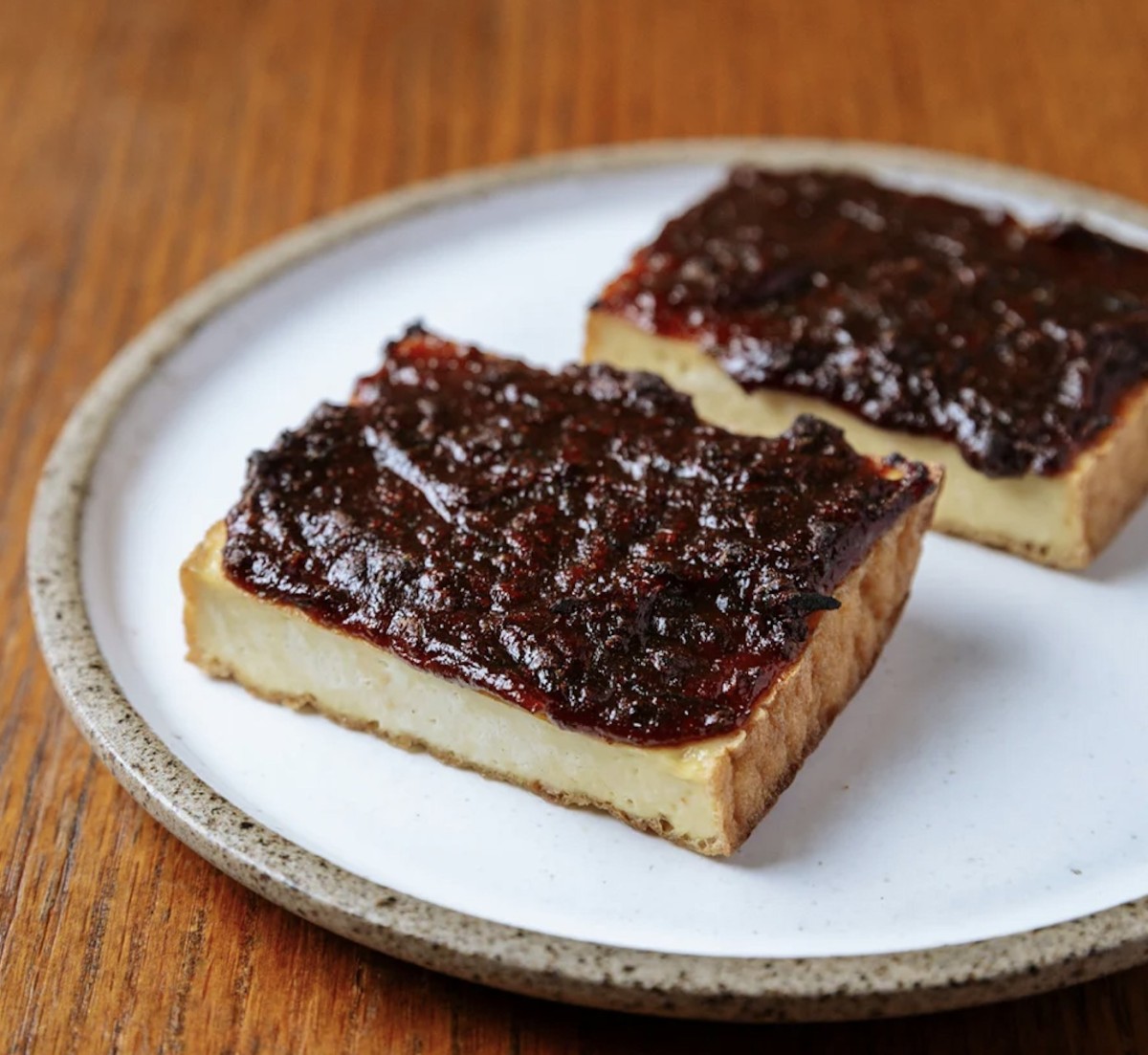
essays & recipes are posted to The Japanese Pantry, an online store dedicated to making quality artisanal Japanese ingredients available to cooks in the United States. My latest contribution, Part Three, is Miso-Slathered Broiled Tofu Enjoy!
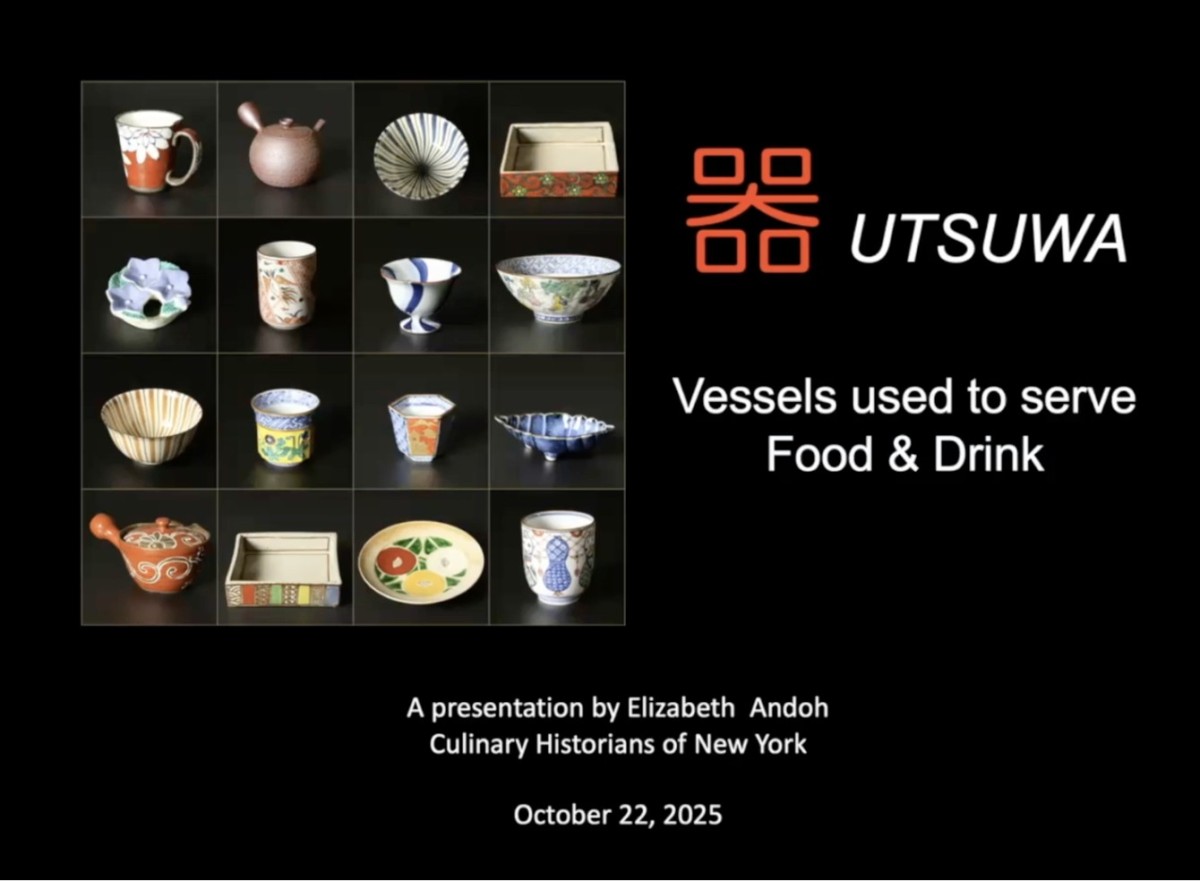
器 UTSUWA:
Vessels used to serve Food & Drink
Culinary Historians of New York hosted an online webinar with Elizabeth Andoh on October 22, 2025. To listen, and download printed materials related to the presentation, click on the image here

Episode 341 (Sept 10, 2024) is about the language used to describe food textures … mouthfeel is often the most challenging element when trying new foods.
Prefer video-based learning? Join me on CRAFTSY
Comments