
Dear friends, colleagues and those who have expressed an interest in the FOOD & CULTURE of Japan:
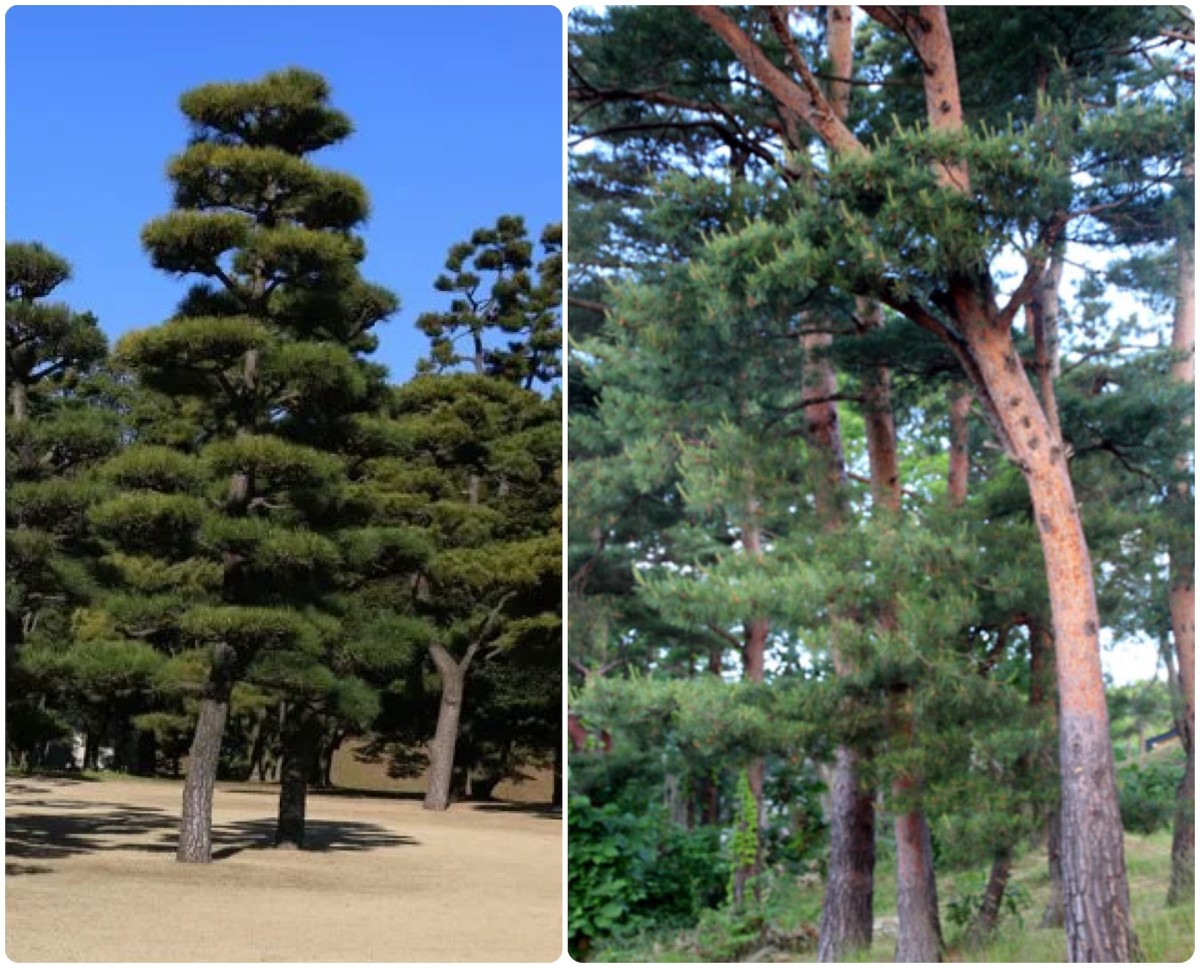
Pine trees are iconic in Japan, with the two most common types being the Japanese black pine kuro matsu 黒松 (Pinus thunbergii), left, and the Japanese red pine aka matsu 赤松 (Pinus densiflora), right.
Japanese black pines are known for their rugged, dark bark and rigid needles and are a staple in gardens and as cultivated as bonsai.Japanese red pines, though, are more delicate with lighter bark and softer needles. Red pines are also valued because (costly) matsutakémushrooms grow in symbiotic bliss with them. Both black and red species are native to Japan and since both are hardy evergreens, they symbolize longevity and resilience in Japanese culture. As such pine is a key motif used at New Year’s.
松文様 Matsu Motifs
Most motifs used in a culinary context are obvious from their appearance. Pine needles (matsuba 松葉) and pine cones (matsukasa 松笠), for example, are fairly easy to recognize.
Other motifs, though, are not easy to identify. Matsukazé 松風 (“wind whistling through the pines”) is a good example of a motif buried deep in (Japanese) culture and language. On the Kitchen Culture blog page I unravel the combination of word play (different calligraphy with the same pronunciation), Japanese literary references, and Japanese personality stereotypes that contribute to the convoluted meaning.

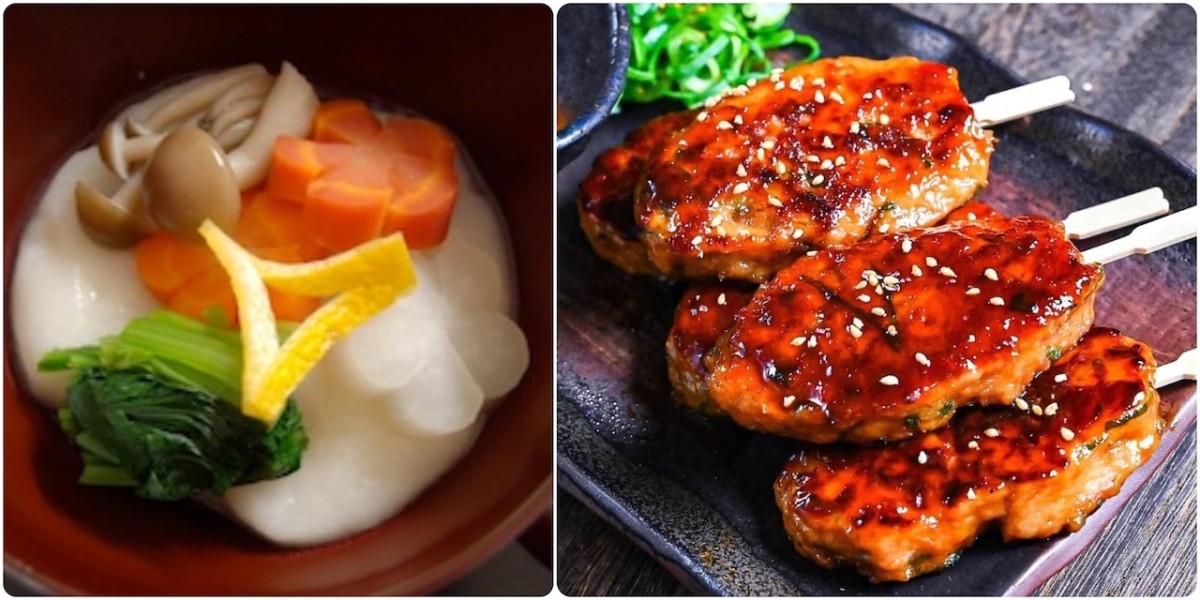
Several recipes can be found on the PROJECT Symbolic Pine page. I hope you’ll try your hand at making Japanese holiday fare.
A Taste of Culture
I’m looking forward to the new year and resuming in-person programs. Requests from MARCH 2026 onward are being accepted.
A Taste of Culture offers custom workshops for visitors and residents who wish to learn about Japanese home-style cooking and prepare it for themselves. DETAILS here.
Regardless of where you reside, I hope you remain interested in Japan and its food culture.
For inspiration and instruction in preparing Japanese food for yourself and others, visit KITCHEN CULTURE. To explore and practice Japan’s washoku wisdom in your own kitchen, visit Kitchen PROJECTS.
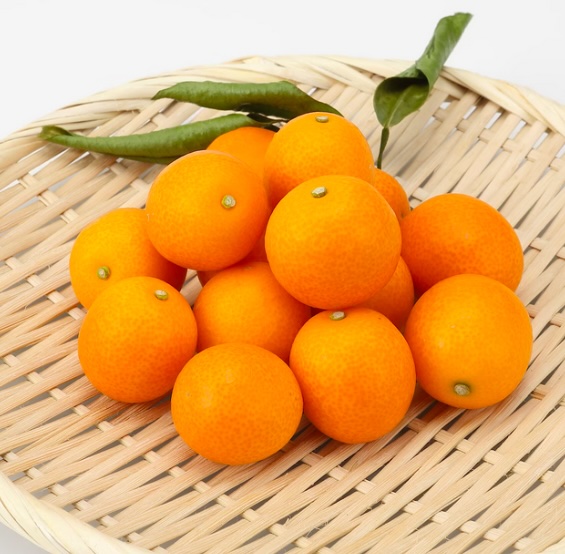
Kumquats Kinkan / 金柑
Kinkan, in Japanese, means “golden citrus.” The fruits are an excellent source of fiber, vitamin C, and antioxidants and have been a home remedy for sore throats and colds for generations in Japan.
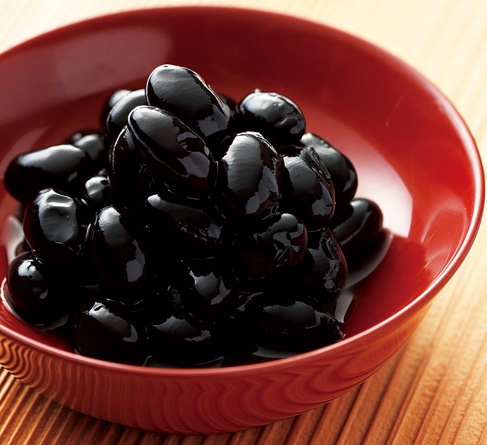
kuromamé / 黒豆
Sweet-simmered kuromamé are part of osechi, the food served at New Year’s in Japan.
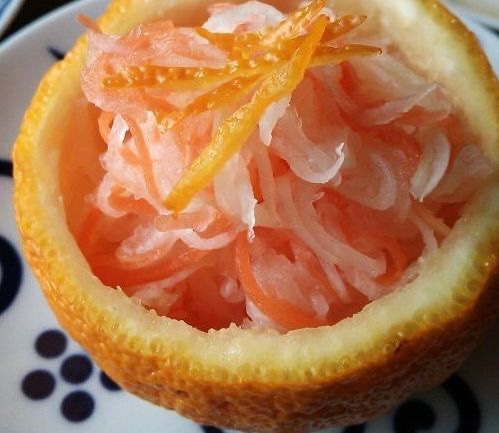
Celebration Salad / 紅白なます
RED 紅 and WHITE 白 are the colors of felicity; foods with these colors are served on happy occasions.
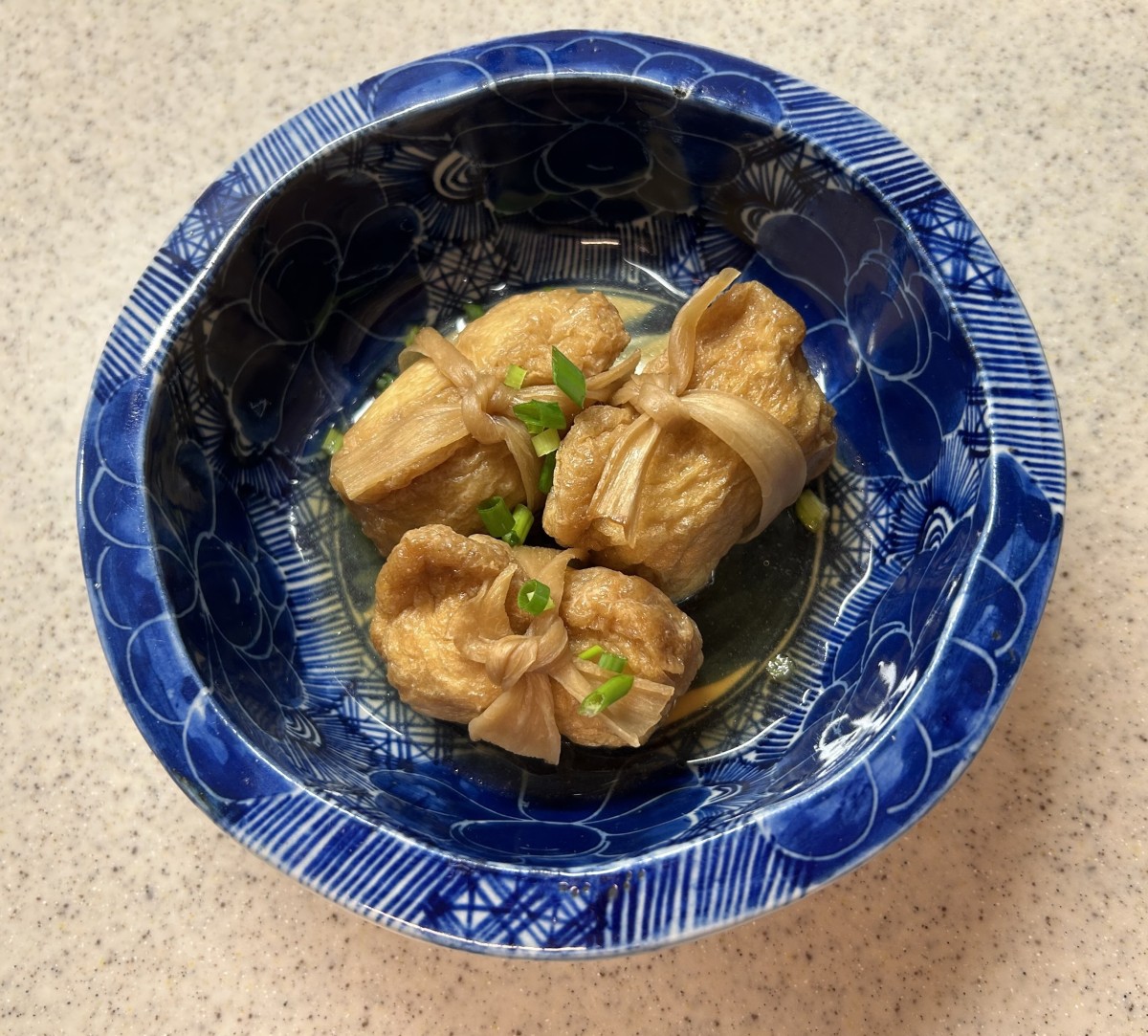
WASHOKU ESSENTIALS is a bi-monthly column in the Japan Times.
Most recently about age-fukubukuro, Good fortune, wrapped in fried tofu
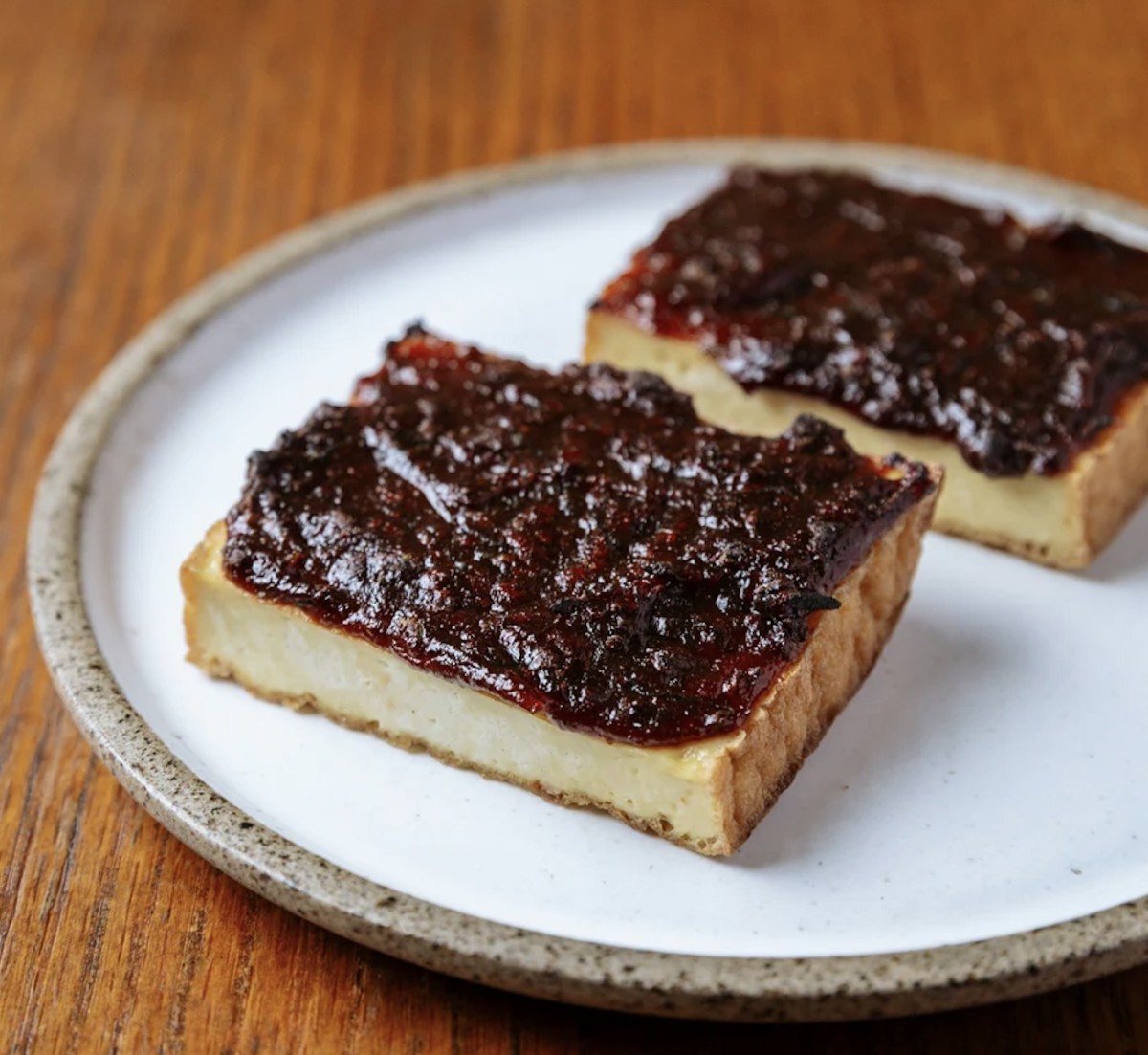
essays & recipes are posted to The Japanese Pantry, an online store dedicated to making quality artisanal Japanese ingredients available to cooks in the United States. My latest contribution, Part Three, is Miso-Slathered Broiled Tofu Enjoy!

Episode 341 (Sept 10, 2024) is about the language used to describe food textures … mouthfeel is often the most challenging element when trying new foods.
Prefer video-based learning? Join me on CRAFTSY
Comments