
Dear friends, colleagues and those who have expressed an interest in the FOOD & CULTURE of Japan:

Making sweet jellies and savory aspics from the sea begin with harvesting tengusa (天草 literally “heavenly grass”), a group of red marine algae that grow in fairly shallow waters. The most common variety is makusa (Gelidium amansii).
After being harvested from the sea, tengusa is dried, ideally by bleaching in the sun rather than by manufactured chemicals. Drying helps to retard spoilage of the fresh algae and at the same time it concentrates the algae’s nutrients, especially vitamins B, E and K and minerals such as calcium and potassium. Low in calories and a good source of dietary fiber, tengusa (and foods made from it) are popular with dieters.
As tengusa dries the red algae gradually turns straw-colored. When dried tengusa is boiled with fresh water it becomes a thick, gelatinous mass. As it cools, the slightly golden-colored jelly-like mass solidifies, and the resulting aspic is called tokoroten . Typically it gets extruded into noodle-like ribbons with a special gadget (pictured lower right).

Kanten gelatin, known in the West as agar-agar, is made by freeze-drying tokoroten , a process that increases its ability to gel liquids.The method sounds modern, but artificial refrigeration is not needed. Alternating exposure to frigid nights and dry sunny days will do the job. Today, Nagano is the center of kanten production in Japan.


PROJECT Kanten has an illustrated recipe for Jellied Grapefruit Wedges you can download; the original recipe appeared in KANSHA on page 232. Also in KANSHA, is a savory bamboo shoot and asparagus aspic made with kanten (page 95) and Mini Red Bean Jam Jellies on page 229. Coffee Zeli made with kanten is in WASHOKU page 308.
A Taste of Culture
A Taste of Culture offers custom workshops for visitors and residents who wish to learn about Japanese home-style cooking and prepare it for themselves. DETAILS here .
Regardless of where you reside, I hope you remain interested in Japan and its food culture.
For inspiration and instruction in preparing Japanese food for yourself and others, visit KITCHEN CULTURE . To explore and practice Japan’s washoku wisdom in your own kitchen, visit Kitchen PROJECTS.

Two-Session TSUKEMONO WORKSHOP. Friday, November 13 (6:30-8:30 pm) + Saturday, November 14 (10:30 am – 4:00 pm). For details and to register click on photo above.

Okra ( Hibiscus esculentus )
A member of the mallow family, okra is believed to have originated in Ethiopia though the earliest records of its cultivation come from ancient Egypt (12th century BC). How did okra find its way to Japan? Most likely by way of America at the end of the Edo period (1603-1868).

Shiso Maki しそ巻き
Japan’s Tohoku region is justly famous for its walnuts – large, meaty orbs that produce an incredibly rich, aromatic paste when roasted and crushed – and its miso – a full-bodied red (burnished brown, really) fermented soybean paste. In this dish the two local champions combine with toasted sesame to make an addictively tasty filling for herbaceous shiso leaves.

WASHOKU ESSENTIALS is a bi-monthly column in the Japan Times.
Most recently about sōmen the chilled, thread-thin wheat noodles that have refreshed heat-weary Japanese since at least the eighth century.
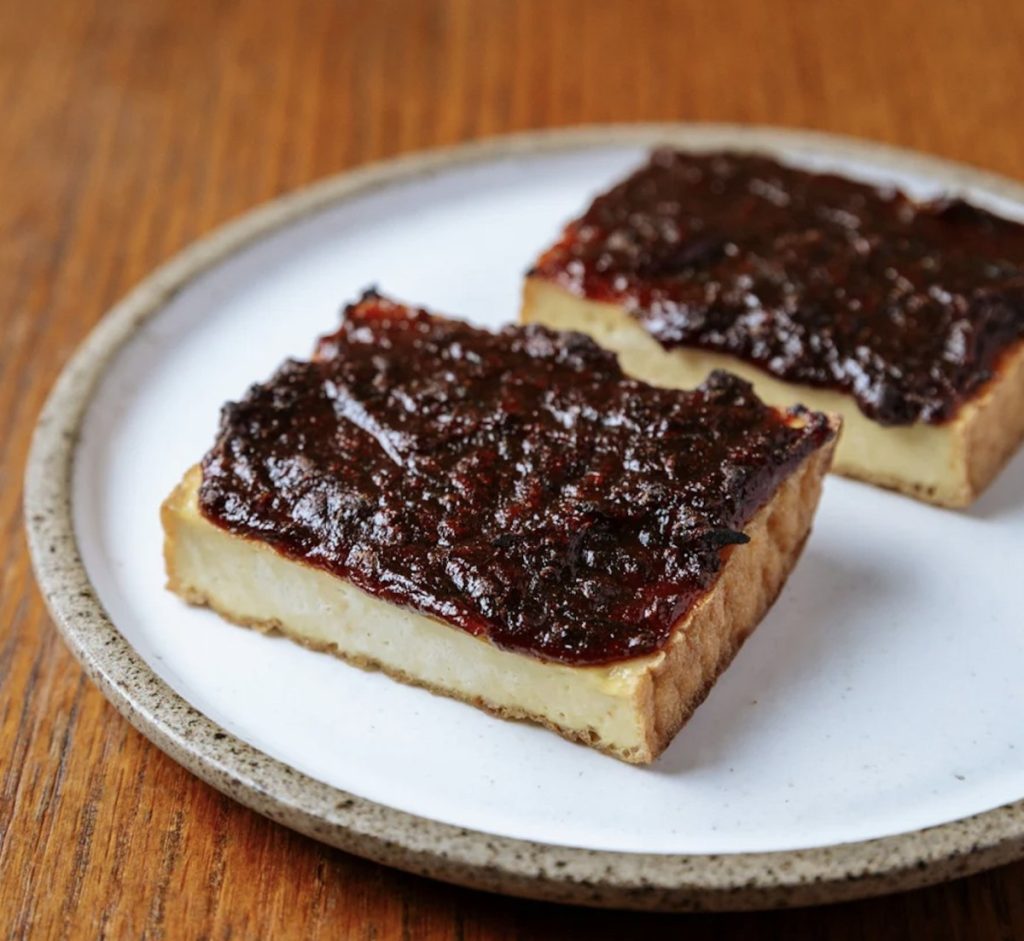
essays & recipes are posted to The Japanese Pantry, an online store dedicated to making quality artisanal Japanese ingredients available to cooks in the United States. My latest contribution, Part Three, is Miso-Slathered Broiled Tofu Enjoy!

器 UTSUWA:
Vessels used to serve Food & Drink
Culinary Historians of New York hosted an online webinar with Elizabeth Andoh on October 22, 2025. To listen, and download printed materials related to the presentation, click on the image here

Episode 341 (Sept 10, 2024) is about the language used to describe food textures … mouthfeel is often the most challenging element when trying new foods.


Prefer video-based learning? Join me on CRAFTSY

Comments