
Dear friends, colleagues and those who have expressed an interest in the FOOD & CULTURE of Japan:
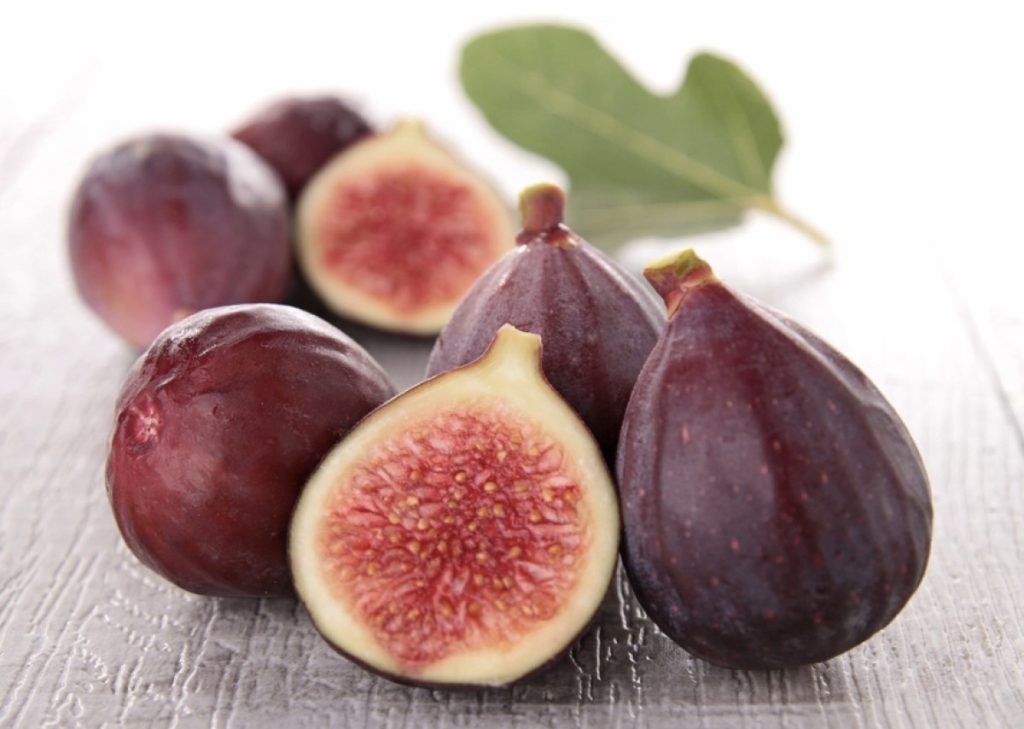
Figs are ancient. Archeological evidence points to their having been in existence millions of years ago and they are believed to be one of the first fruits to be cultivated.
Images of figs appear in ancient Egyptian murals, figs are frequently mentioned in the Old Testament and the Qur’an (or Koran, the central religious text of Islam), and were known to be an important source of daily nutrition in ancient Greece and Rome. Today, Turkey is the largest producer of figs with Egypt ranking second.
Teardrop-shaped edible fruits of the Ficus carica tree, figs are native to the Mediterranean region and to western and southern Asia. Figs first reached Japan in the early Edo period (17th century). They were brought from China through the port of Nagasaki.
Technically, figs are syconia , fleshy, hollow receptacles containing hundreds of tiny internal flowers and seeds. That is probably the reason why figs are written with calligraphy for “no flower fruit” in Japan and China:
無花果
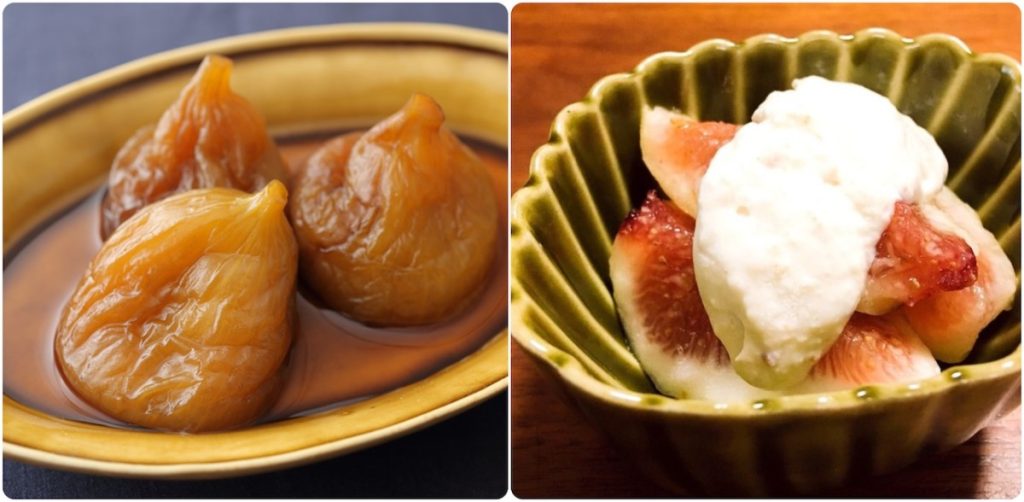
Figs can be enjoyed in many ways, savory and sweet. PROJECT Fig offers two recipes, each a classic approach to fruit in the Japanese kitchen:
- Kanro Ni , poached in a sugar syrup
- Shira Ae , napped with a creamy tofu sauce.
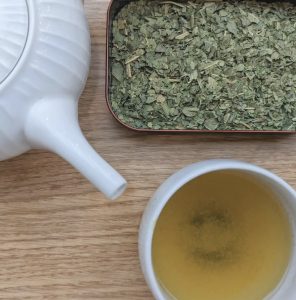
In Japan, during the Edo period dried fig leaves were among several kinds of shōyaku 生薬 or “natural medicines” used to reduce high blood pressure and promote gut health. Fig leaf tea continues to be enjoyed by many in Japan (and elsewhere throughout the world). It boasts a mild coconut-and-vanilla-like aroma.
NOTE: Fig leaves and their sap contain several enzymes (natural chemicals called furocoumarins) that significantly enhance and accelerate phototoxicity. Drinking fig leaf tea and then going out into the sun can cause a skin reaction where ultraviolet (UV) rays react with plant toxins, leading to severe sunburns, rashes, and blisters.
A Taste of Culture
A Taste of Culture offers custom workshops for visitors and residents who wish to learn about Japanese home-style cooking and prepare it for themselves. DETAILS here .
Regardless of where you reside, I hope you remain interested in Japan and its food culture.
For inspiration and instruction in preparing Japanese food for yourself and others, visit KITCHEN CULTURE .
To explore and practice Japan’s washoku wisdom in your own kitchen, visit Kitchen PROJECTS.
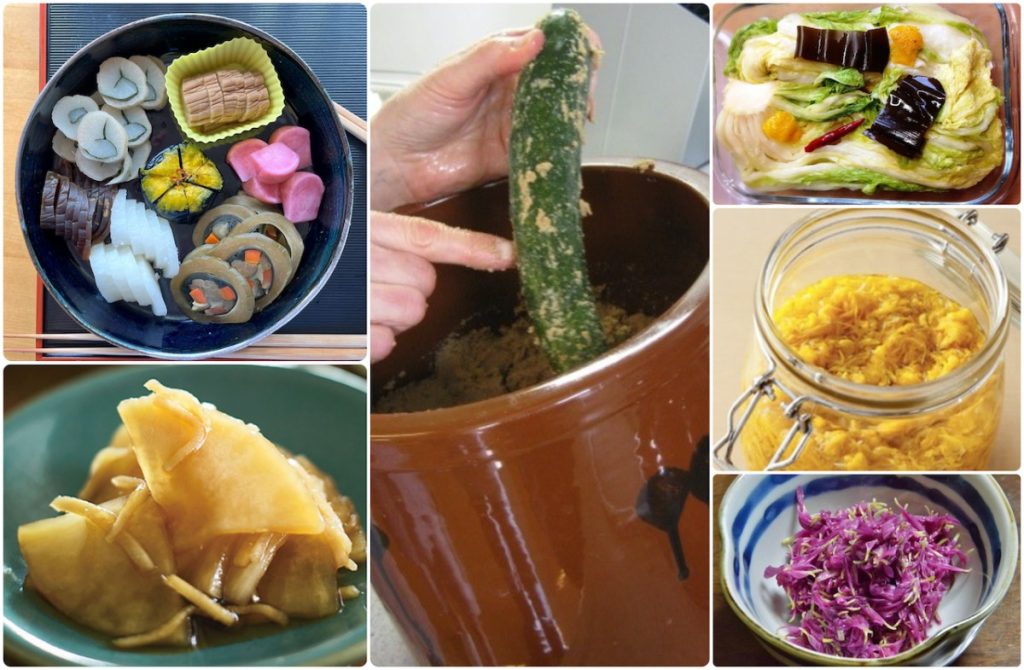
Two-Session TSUKEMONO WORKSHOP. Friday, November 13 (6:30-8:30 pm) + Saturday, November 14 (10:30 am – 4:00 pm). For details, and to register, click on photo above.
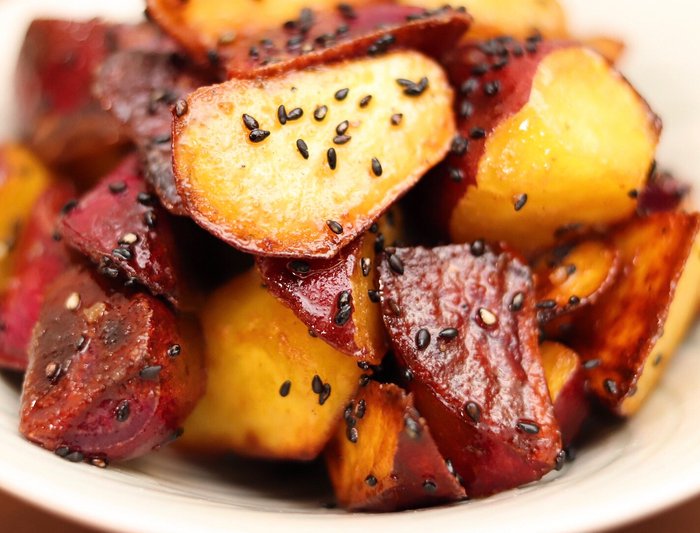
Daigaku Imo 大学芋
A favorite snack of Japanese university students in the early part of the 20th century, daigaku imo (college educated sweet potatoes) are still a popular choice across a wide demographic
Satsuma imo sweet potatoes from which the dish is made are a good source of Vitamin B1 (thiamin that enables the body to use carbohydrates as energy), potassium, and Vitamins A and C.
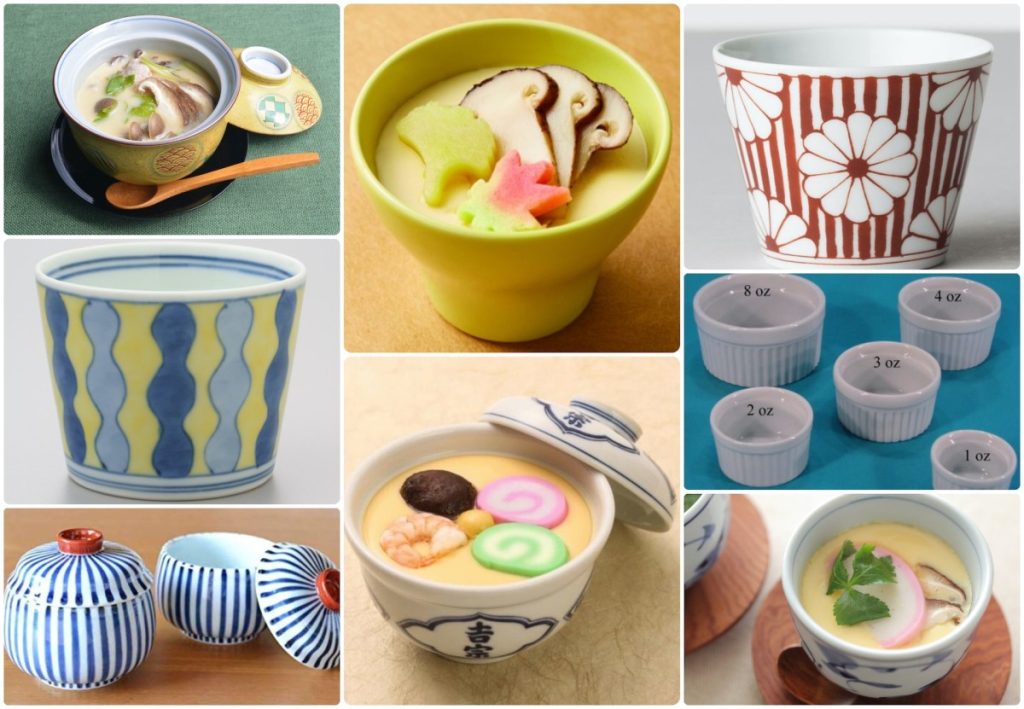
Savory Egg Custards ( chawan mushi 茶碗蒸し)
Silky, savory egg custards called chawan mushi are served in cups with a spoon. The egg and dashi mixture is seasoned with mirin and light-colored soy sauce. Various tidbits such as mushrooms, ginko nuts, chicken, shrimp or kamaboko (fish sausage) can be nestled in the custard. Or a plain custard can be topped with a savory sauce.
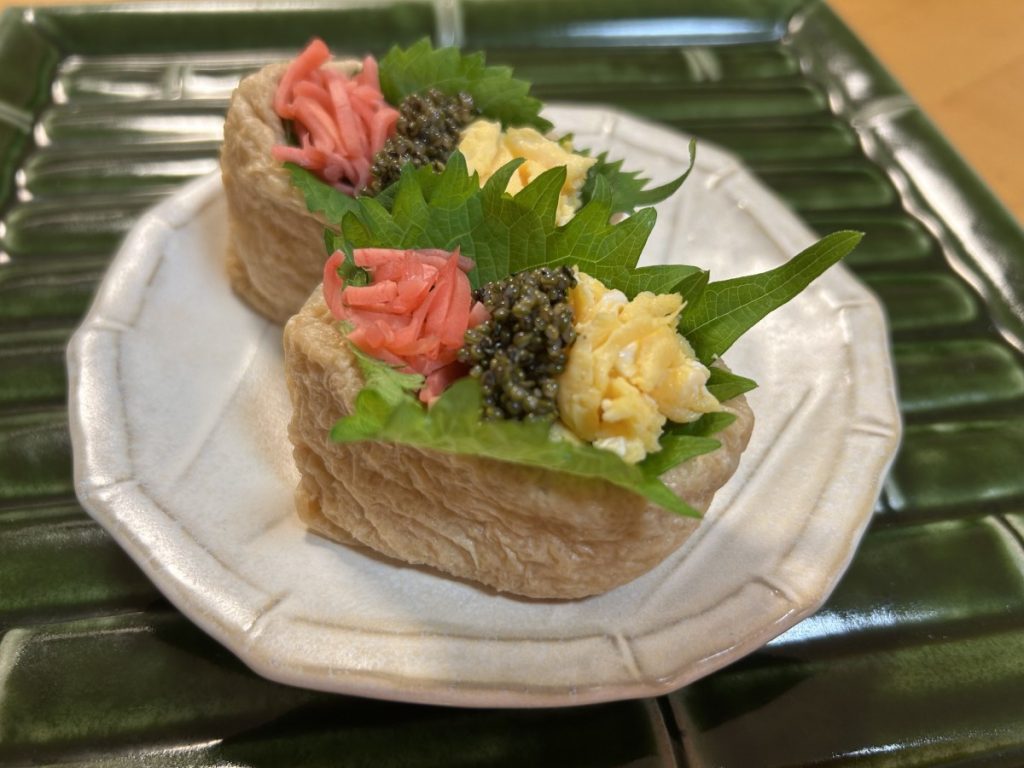
WASHOKU ESSENTIALS is a bi-monthly column in the Japan Times.
Most recently about open-faced inari-zushi.
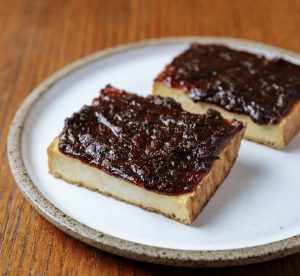
essays & recipes are posted to The Japanese Pantry, an online store dedicated to making quality artisanal Japanese ingredients available to cooks in the United States. My latest contribution, Part Three, is Miso-Slathered Broiled Tofu Enjoy!

器 UTSUWA:
Vessels used to serve Food & Drink
Culinary Historians of New York hosted an online webinar with Elizabeth Andoh on October 22, 2025. To listen, and download printed materials related to the presentation, click on the image here

Episode 341 (Sept 10, 2024) is about the language used to describe food textures … mouthfeel is often the most challenging element when trying new foods.


Prefer video-based learning? Join me on CRAFTSY

Comments