
Dear friends, colleagues and those who have expressed an interest in the FOOD & CULTURE of Japan
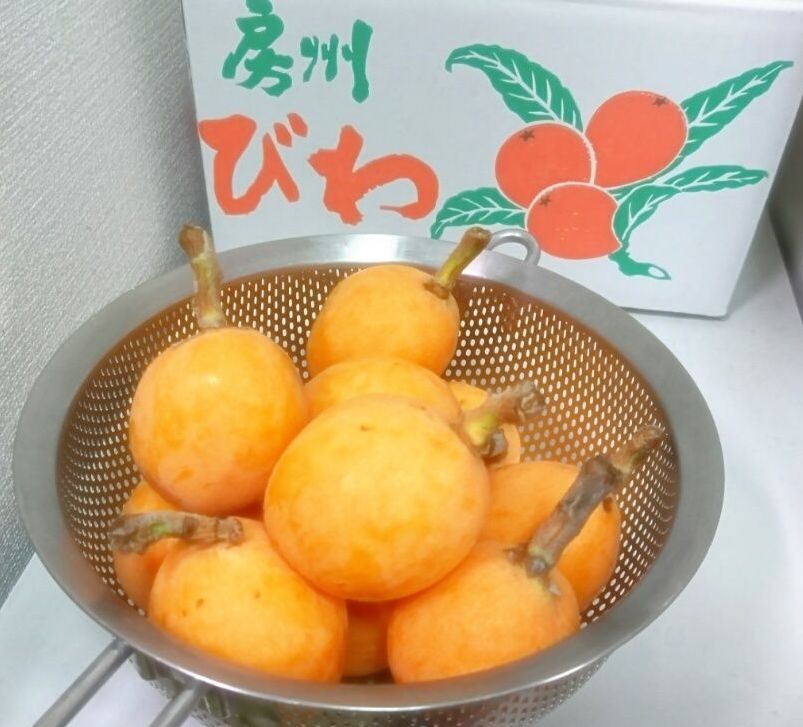
This month’s newsletter and web posts were inspired by a box of luscious biwa (loquats; Eriobotrya japonica) I received as a gift from friends in Chiba. The southern Boso Peninsula is famous for Boshu Biwa, a premium variety cultivated there since 1751; historically they have been offered to the Imperial Family.
Indigenous to China, biwa fruits were first brought to Europe by the Portuguese in the 16th century. In Japan, archaeologic evidence suggests they have been part of the diet since the Yayoi period (c. 300 BCE – 250 CE).
Biwa (loquat fruits) are juicy with a texture similar to apricots and a honey-like sweetness with just a hint of tartness. Not only delicious, biwa are also highly nutritious. Biwa is especially rich in vitamin A and beta-carotene, both of which are antioxidants that support immune function. Leaves from the biwa tree are dried then brewed to make a restorative beverage.
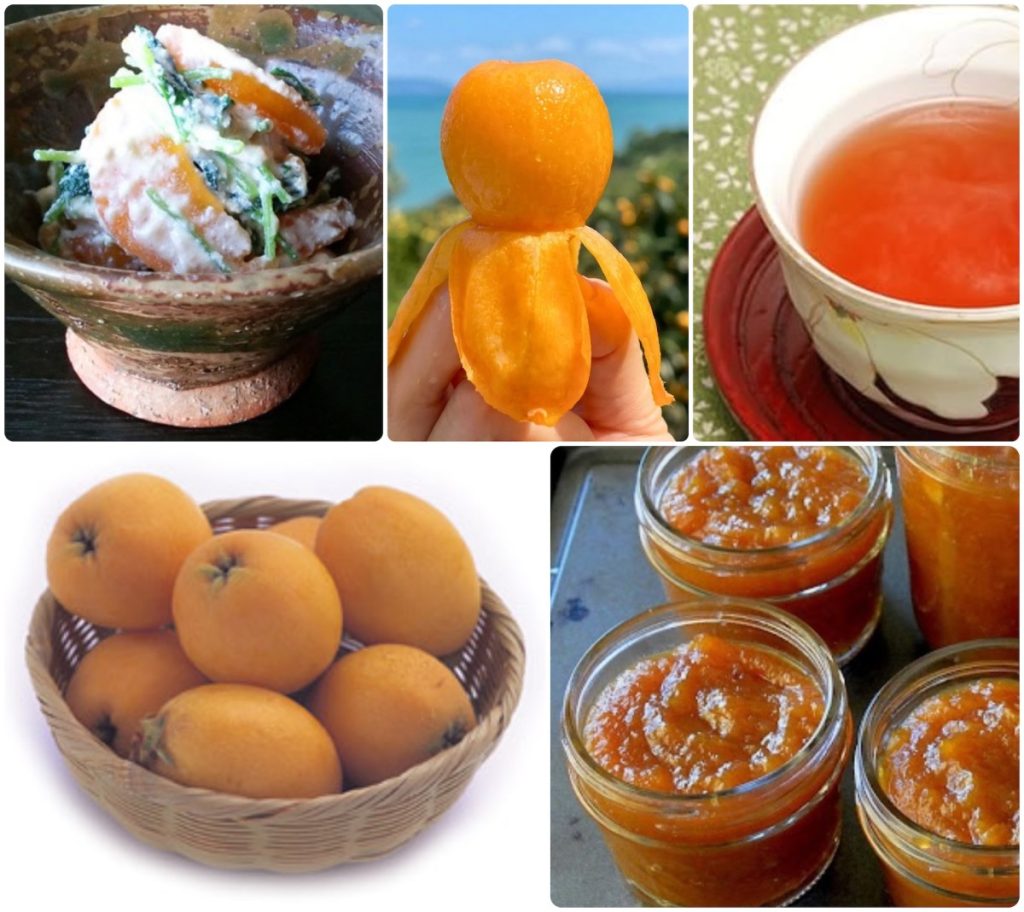
Visit PROJECT Biwa (loquats) for recipes to make jam, tea and a side dish of fruit and greens tossed in creamy tofu sauce.
A Taste of Culture
A Taste of Culture offers custom workshops for visitors and residents who wish to learn about Japanese home-style cooking and prepare it for themselves. DETAILS here.
Regardless of where you reside, I hope you remain interested in Japan and its food culture.
For inspiration and instruction in preparing Japanese food for yourself and others, visit KITCHEN CULTURE. To explore and practice Japan’s washoku wisdom in your own kitchen, visit Kitchen PROJECTS.
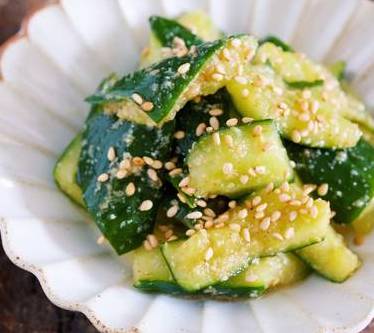
たたき胡瓜の胡麻和え Smashed Cucumbers with Toasted Sesame
Tataki Kyuuri no Goma Aé
Most supermarkets in Japan set up a small table at the back of their produce section with slightly bruised or blemished (and therefore deeply-discounted) fruits and vegetables. I often find day-old, but still fine-flavored and perfectly safe to consume, items. Whenever I see less-than-gorgeous-looking, odd-shaped cucumbers I grab them to make this salad.
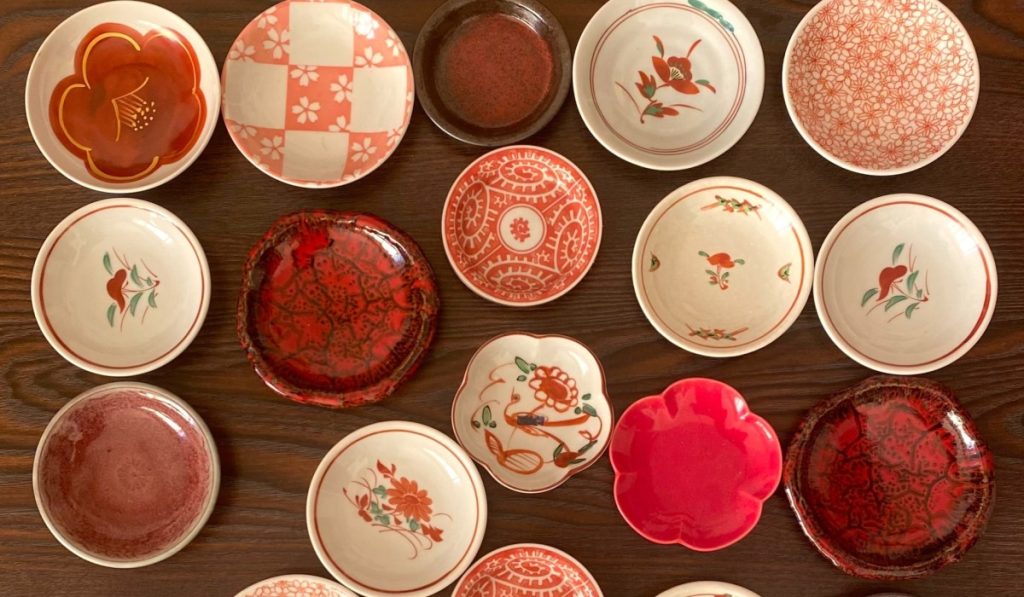
MAMÉ-ZARA Fun
Collecting and Using Small Plates
Part of the fun of collecting dishes is to assemble variations within a category. With mamé-zara , one way to do this is focus on a color scheme such as red and then collect as many different shapes and designs as possible.
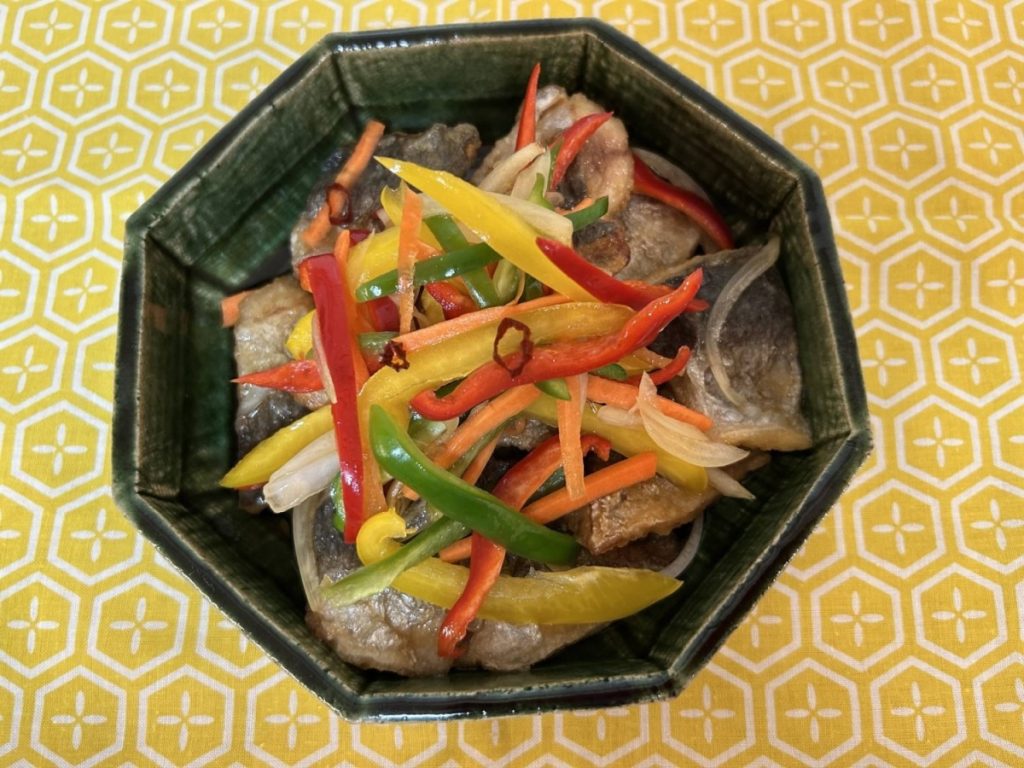
WASHOKU ESSENTIALS is a bi-monthly column in the Japan Times.
Most recently about nanban-zuke batter-fried fish “marinated in the style of the southern barbarians.”
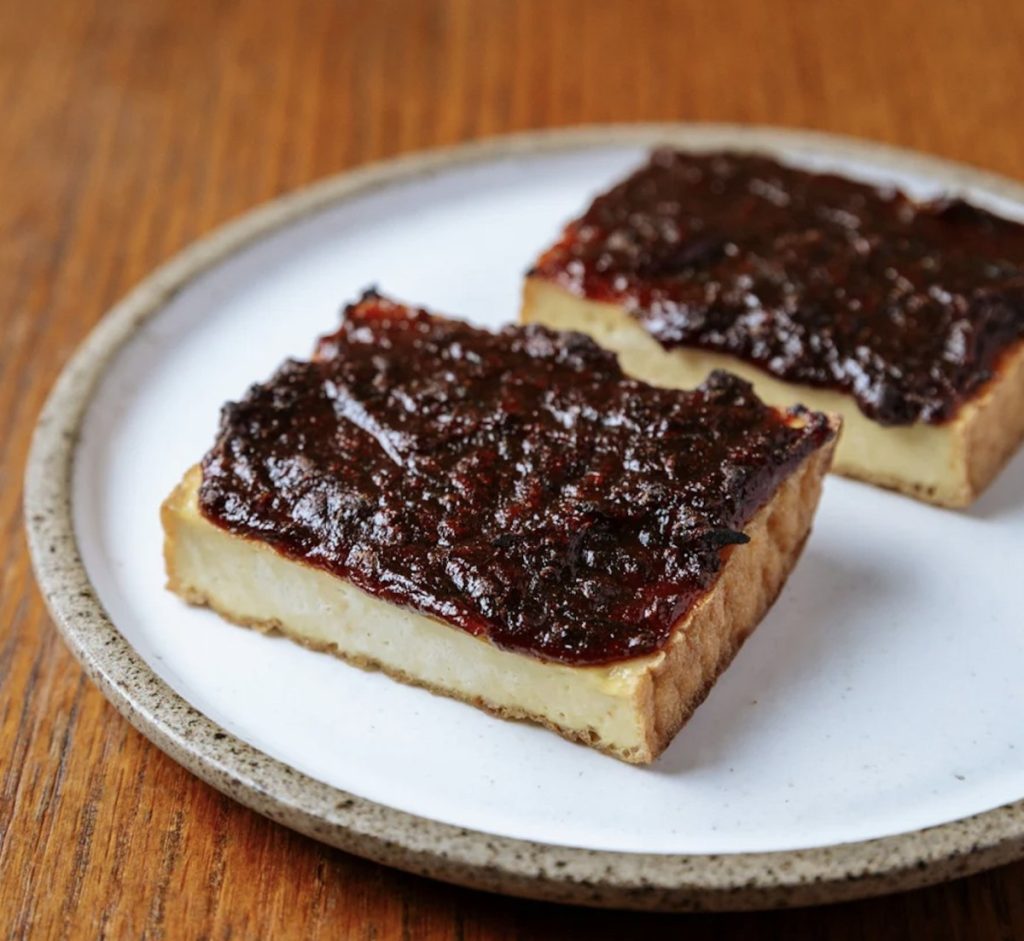
essays & recipes are posted to The Japanese Pantry, an online store dedicated to making quality artisanal Japanese ingredients available to cooks in the United States. My latest contribution, Part Three, is Miso-Slathered Broiled Tofu Enjoy!
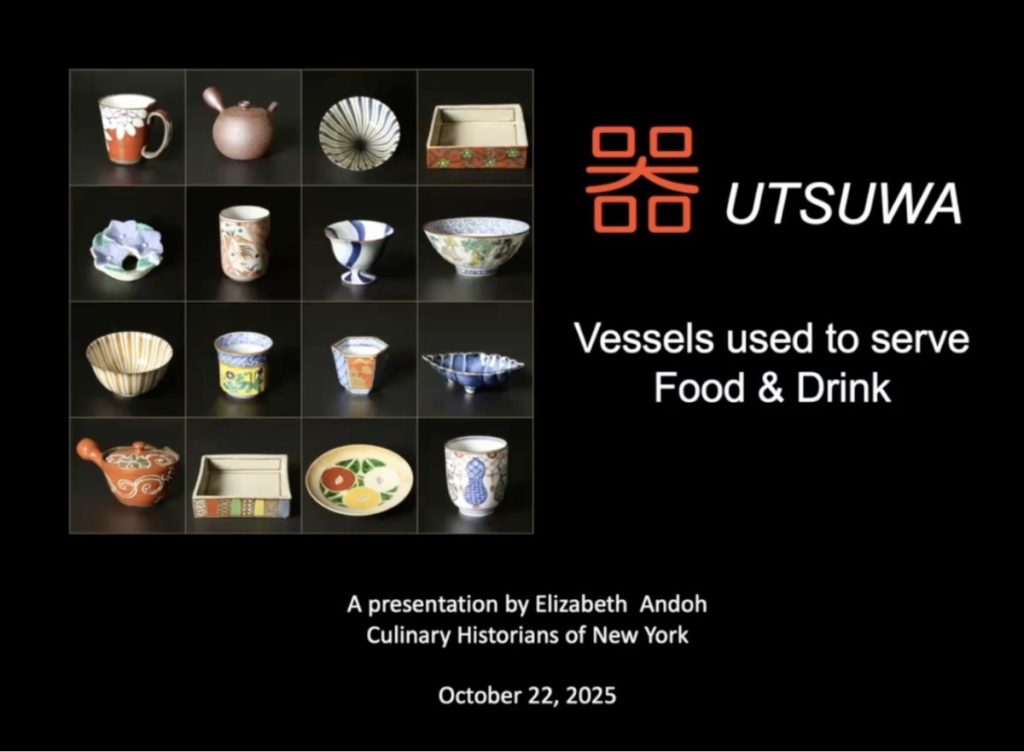
器 UTSUWA:
Vessels used to serve Food & Drink
Culinary Historians of New York hosted an online webinar with Elizabeth Andoh on October 22, 2025. To listen, and download printed materials related to the presentation, click on the image here

Episode 341 (Sept 10, 2024) is about the language used to describe food textures … mouthfeel is often the most challenging element when trying new foods.
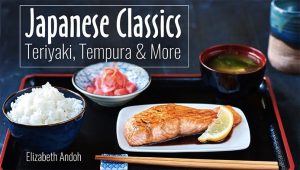
Prefer video-based learning? Join me on CRAFTSY
Comments