Elizabeth Andoh: A Taste of Culture – Salmon・鮭・saké・Sāmon・サーモン
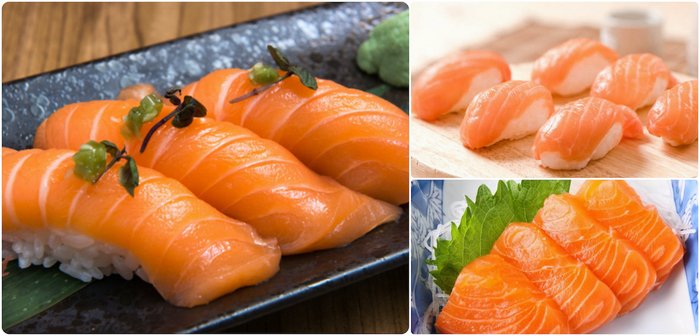
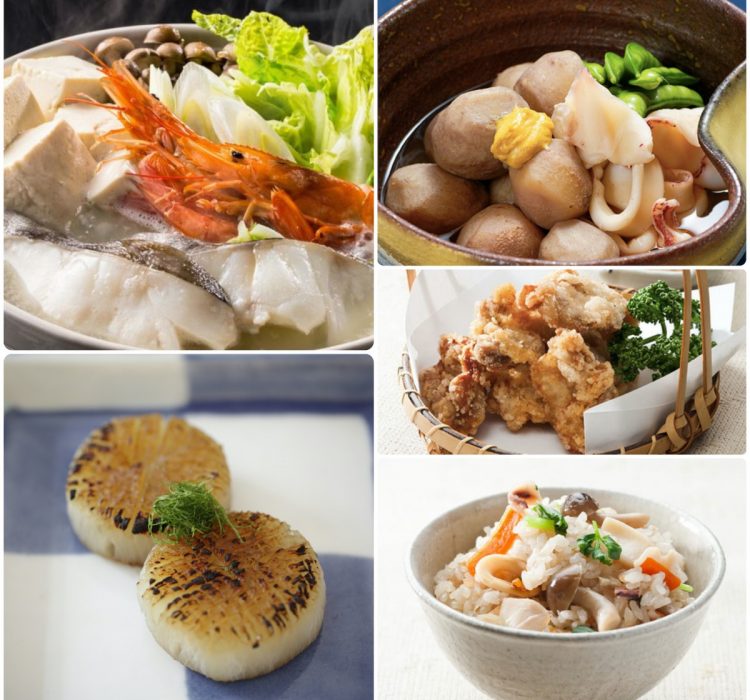
The Japanese have been eating salmon (saké) for thousands of years, though historically it was consumed cooked…
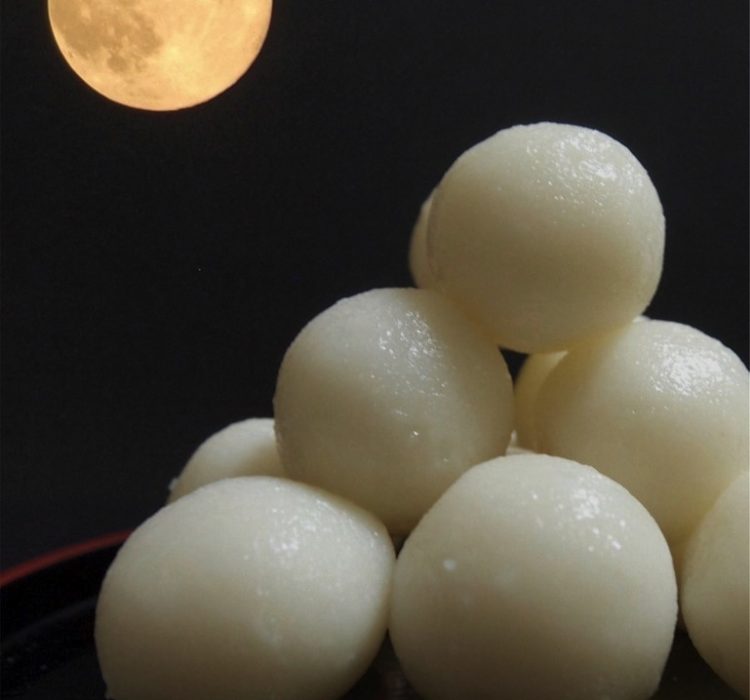
Though the moon waxes and wanes every month, chūshū no meigetsu, literally “moon of the middle autumnal month,…
NHK (Nippon Hōsō Kyōkai), Japan’s national broadcasting system produces and transmits television and radio sho…
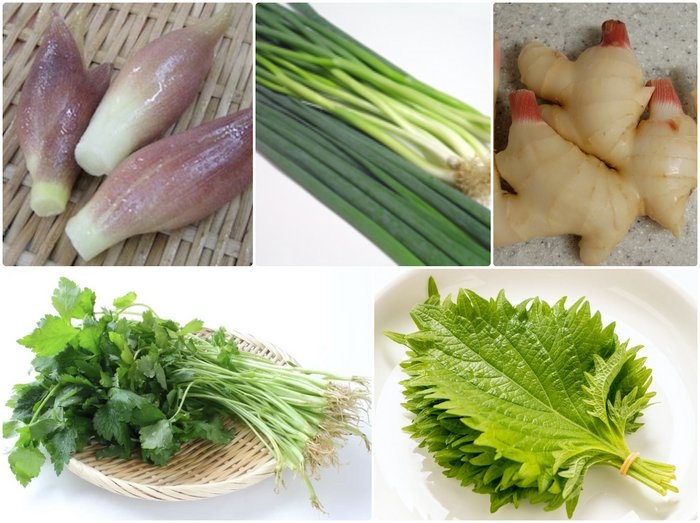
Food cultures around the world employ various aromatic herbs and spices to stimulate the appetite and promote …
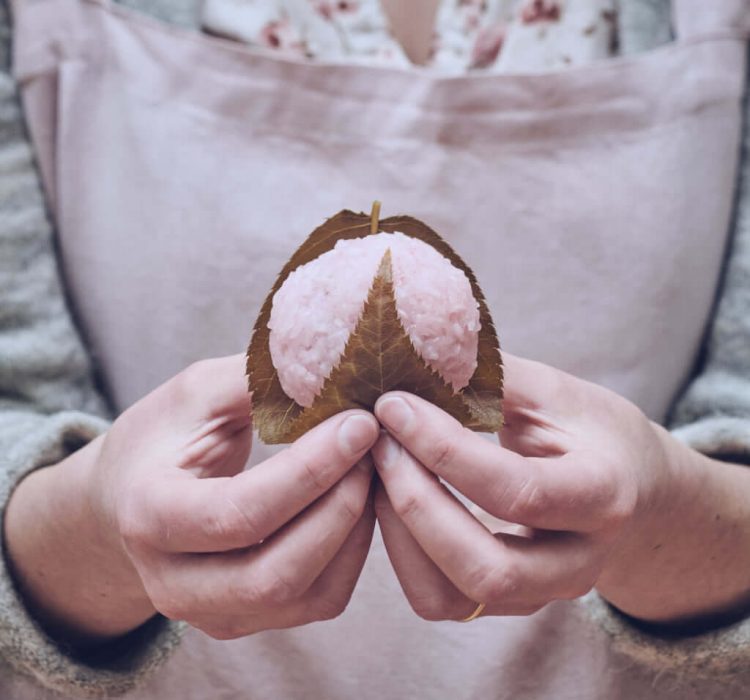
With their pink hue, sakura mochi instantly evoke the colour of cherry blossom, and indeed this is the origin …
The World’s Best Rice comes in a sturdy, gold-embossed box containing six slender packages. Sold for ¥10,800 f…
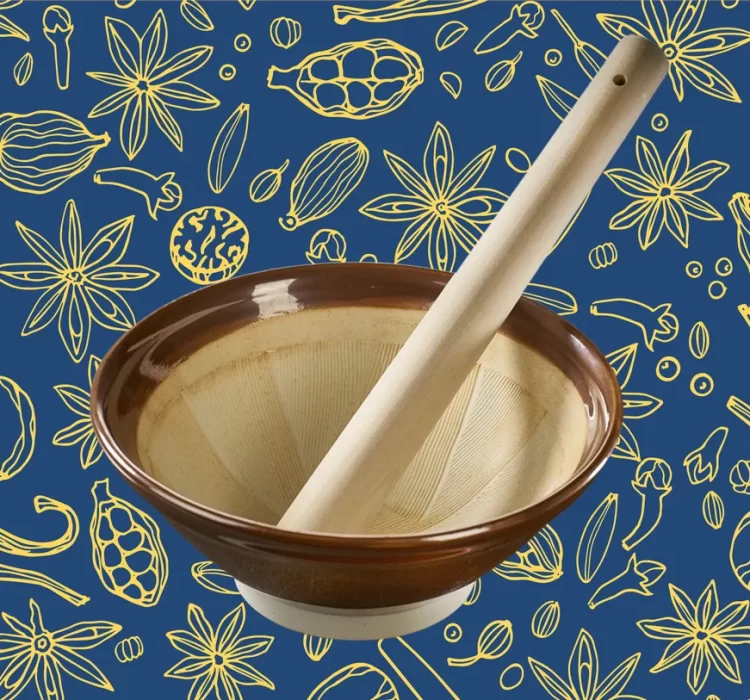
The ridges in a suribachi, a Japanese mortar, help crush ingredients without bruising them, keep ingredients i…
My early years in Japan were flooded with hatsu taiken (first-time experiences), especially at table. Among th…
The Japanese have consumed a variety of citrus for millennia; enjoying both the juice and peels of the fruit. …
Watermelons are ancient — 4000-year-old wall art in Egyptian tombs include images of elongated, green-st…